Showing posts with label Social. Show all posts

Saturday, 16 January 2016

Temple shop - Negozio del tempio - मन्दिर की दुकान

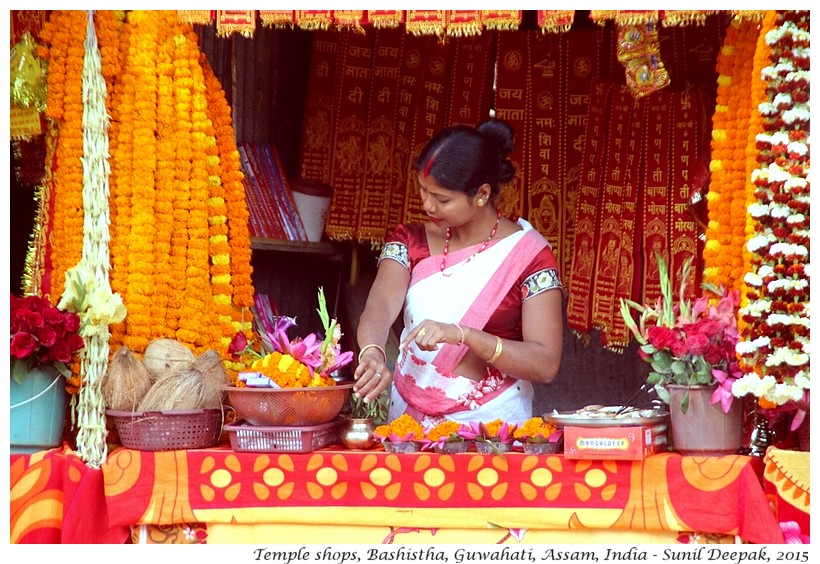
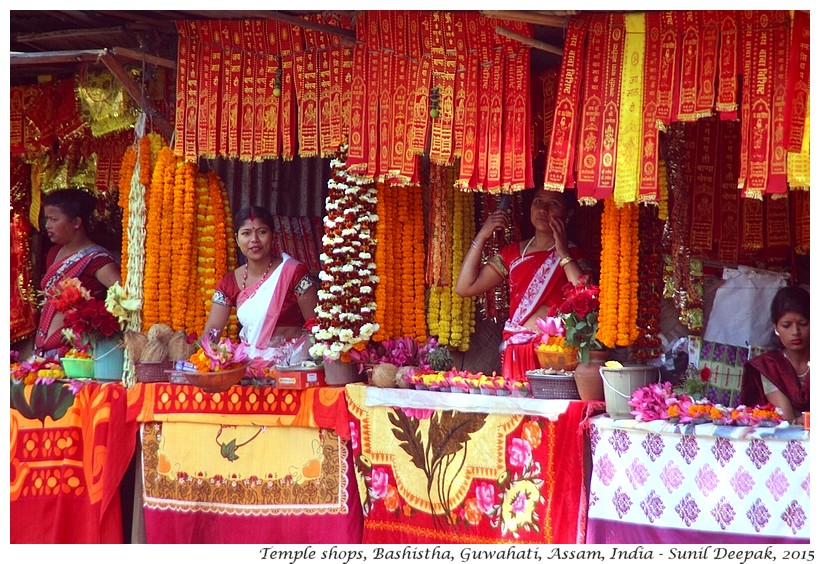
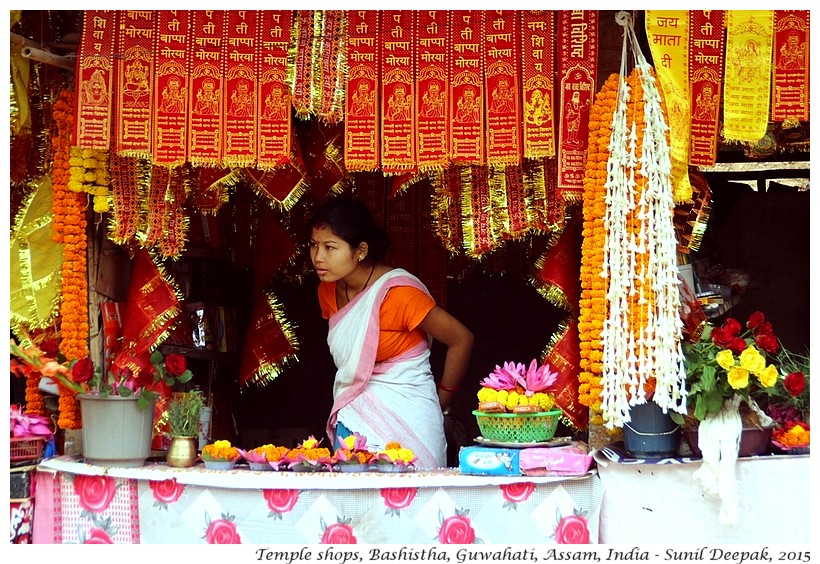
Temple shops, Bashistha, Guwahati, Assam, India - Images by Sunil Deepak

Guwahati, Assam, India: Near the temple entrance there are shops selling things used for prayer rituals such as flowers, coconut and incense for offerings and red ribbons to tie on the devotees' foreheads.

गुवाहाटी, असम, भारतः मन्दिर के प्रवेश द्वार के पास पूजा सामग्री की दुकाने हैं जहाँ भगवान को चढ़ाने के लिए फ़ूल, नारियल, अगरबत्तियाँ, और माथे पर बाँधने के लिए लाल रिब्बन आदि मिलते हैं.

Guwahati, Assam, India: Vicino all'entrata del tempio vi sono negozi che vendono cose per la preghiera come i fiori, le noci di cocco e l'incenso da offrire al Dio e i nastri rossi che si legano sulla fronte.

***

Sunday, 27 December 2015

Konark morning - Mattina a Konark - कोणार्क सुबह

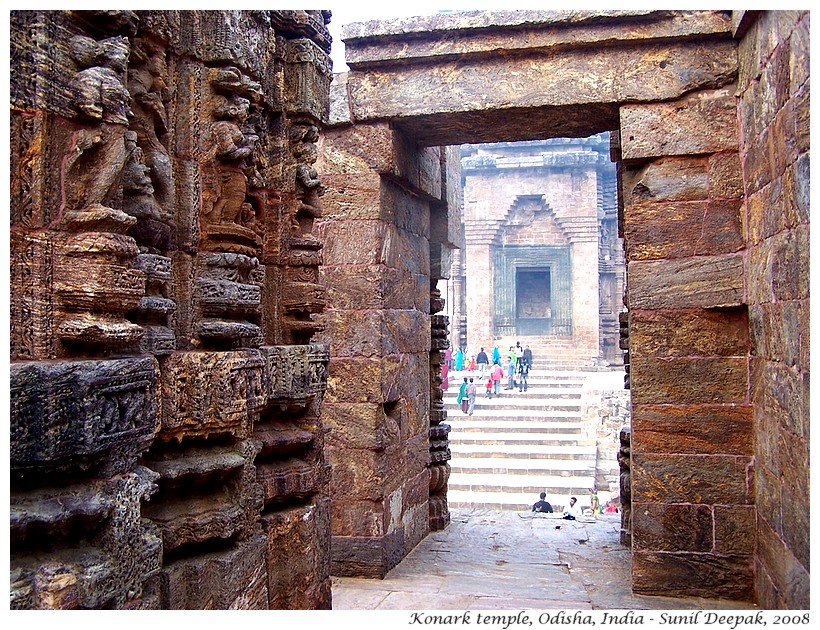
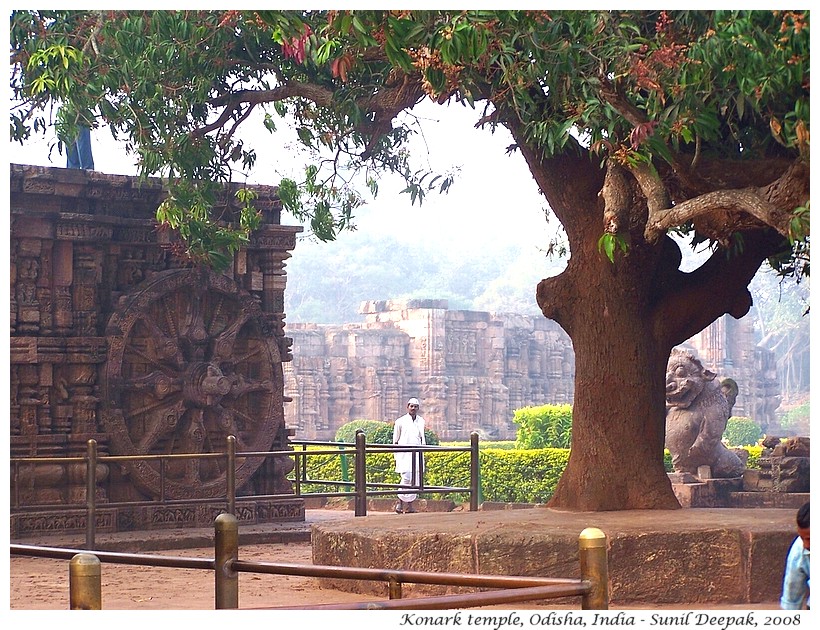
Morning at Konark temple, Odisha, India - Images by Sunil Deepak

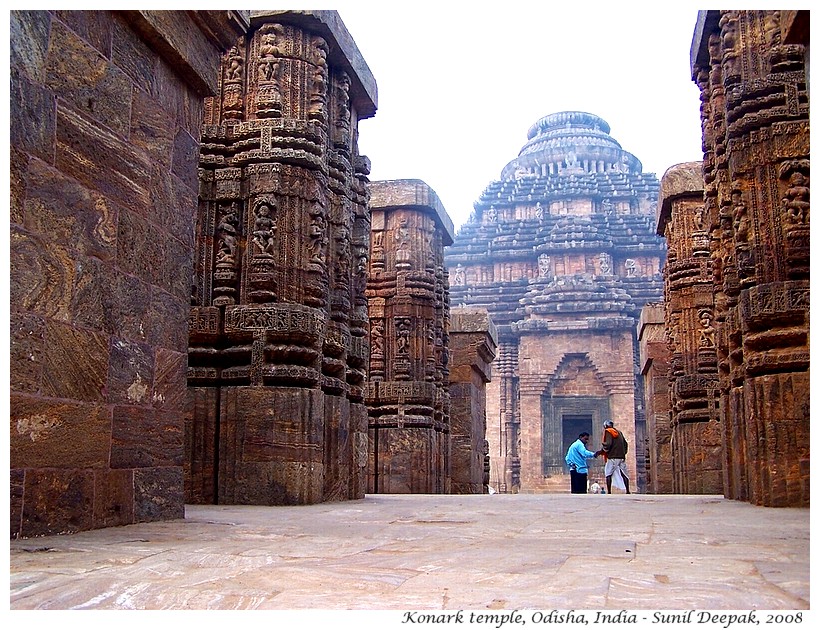
Konark, Odisha, India: Does culture depends upon university studies or it comes from urban living? When I think of the rural pilgrims at the Sun temple in Konark and its statues with explicit depiction of sex, I ask myself what do those pilgrims think about those sculptures? These are our prejudices that make us categorise people in slots and do not let us appreciate them as persons?

कोणार्क, ओडिशा, भारतः क्या सभ्यता विश्वविद्यालय में पढ़ने वालों में ही होती है, या फ़िर शहर में रहने से समझ में आती है? कोणार्क के सूर्य मन्दिर में गाँवों से आये तीर्थयात्री तथा वहाँ की मैथुन मूर्तियों के बारे में सोचता हूँ कि गाँव वाले तीर्थयात्रियों को इन्हें देख कर कैसा लगता होगा? यह पूर्वाग्रह हैं जिनकी वजह से हम लोगों को श्रेणियों में बाँटते हैं, वह सचमुच कैसे हैं यह नहीं समझना चाहते?

Konark, Odisha, India: Cultura dipende dagli studi universitari o dal fatto che vivi in una città piuttosto che in compagna? Quando penso ai pellegrini rurali al tempio del Sole di Konark e le sue statue con scene esplicite di sesso, mi chiedo che cosa pensano questi pellegrini di queste sculture? Sono i nostri pregiudizi che ci fanno catalogare le persone nelle scatole predestinate, senza voler capire come sono veramente?

***

Thursday, 19 November 2015

Vermilion couples - Coppie vermiglio - सिँदूरी जोड़ियाँ

Couples at Chhath festival, Guwahati, Assam, India - Images by Sunil Deepak

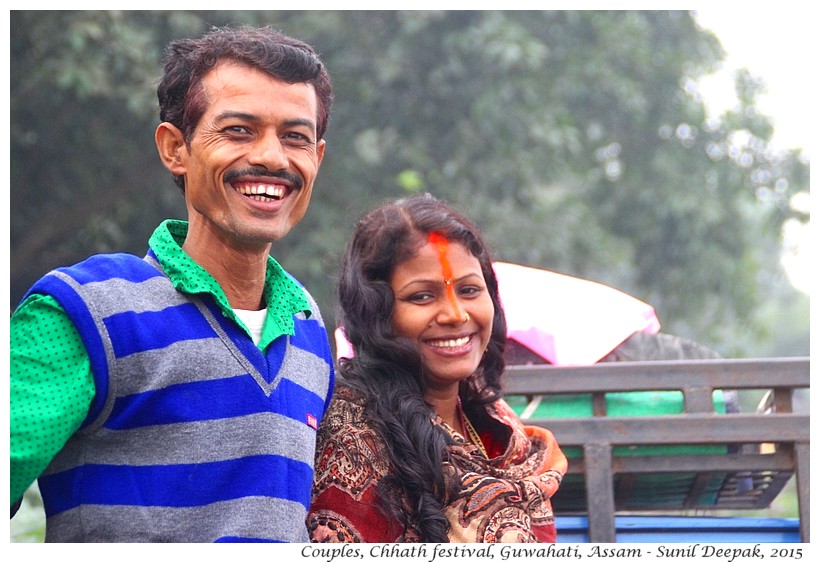
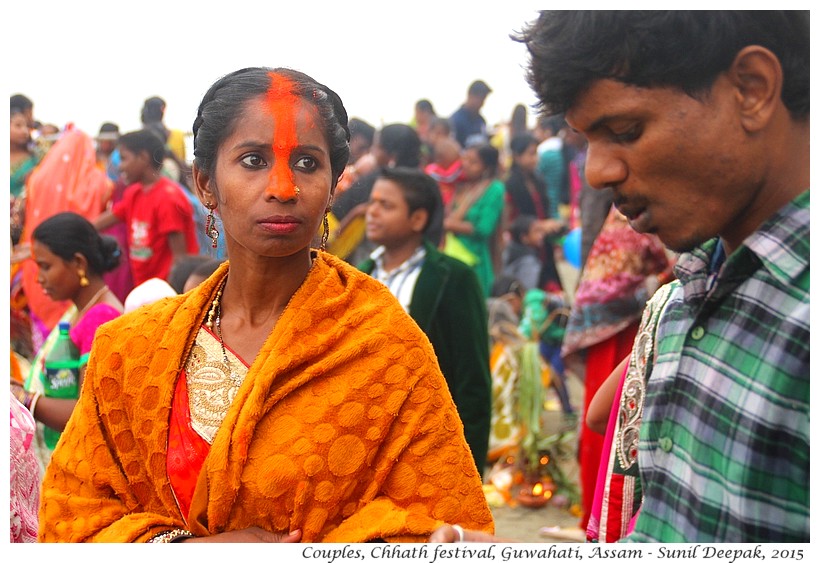
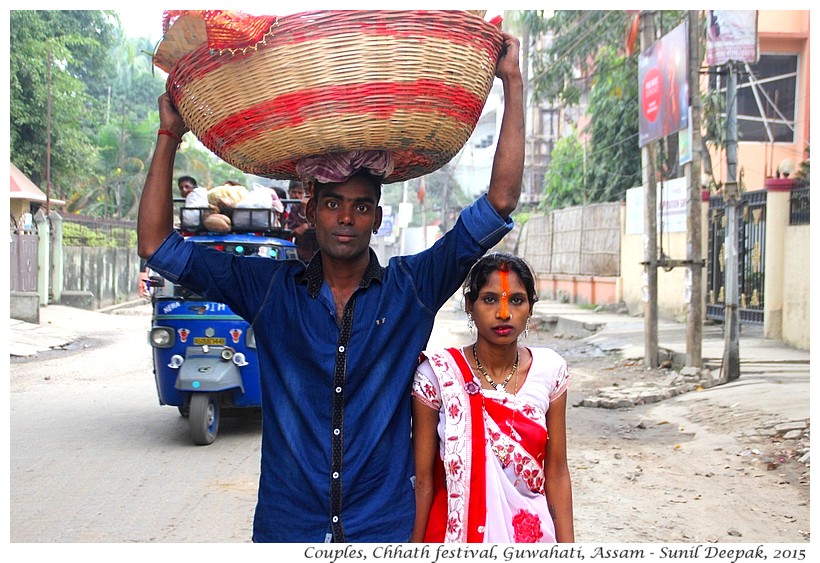
Guwahati, Assam, India: For Chhath festival, after praying to the rising sun on the banks of a river, married women put a line of vermilion on their forehead. Today's images have three couples after their Chhath prayers at Brahmaputra river.

गुवाहाटी, असम, भारतः छठ त्यौहार के अवसर पर नदी किनारे सुबह उगते सूर्य की पूजा के बाद विवाहित औरतें माथे पर सिँदूर की लकीर लगाती है. आज की तस्वीरों में ब्रह्मपुत्र नदी के किनारे छठ पूजा के बाद तीन दम्पत्ती जोड़े.

Guwahati, Assam, India: Per la festa di Chhath, alle rive di un fiume, dopo aver pregato al sole nascente, le donne sposate mettono una striscia di vermiglio sulla propria fronte. Le immagini di oggi hanno tre coppie dopo la preghiera di Chhath alle rive del fiume Brahmaputra.

***

Sunday, 27 September 2015

Lover boy - Ragazzo amante - प्रेमी युवक

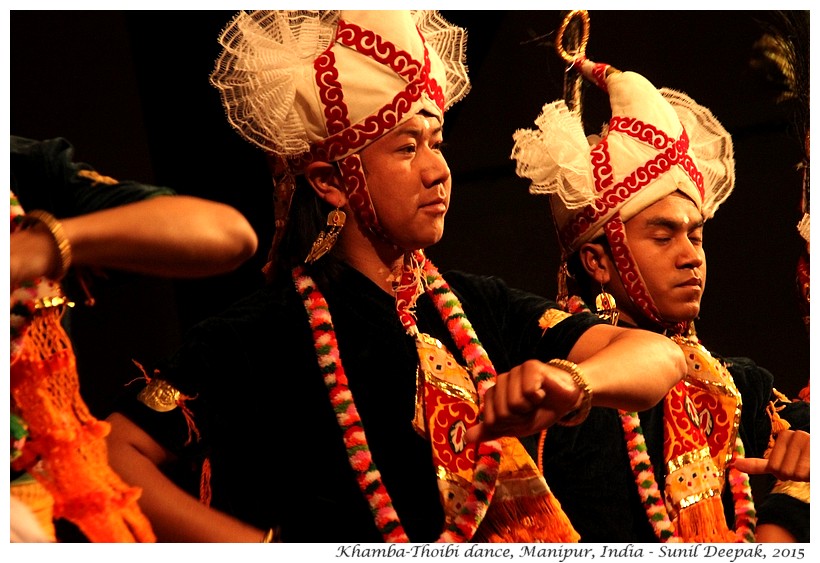
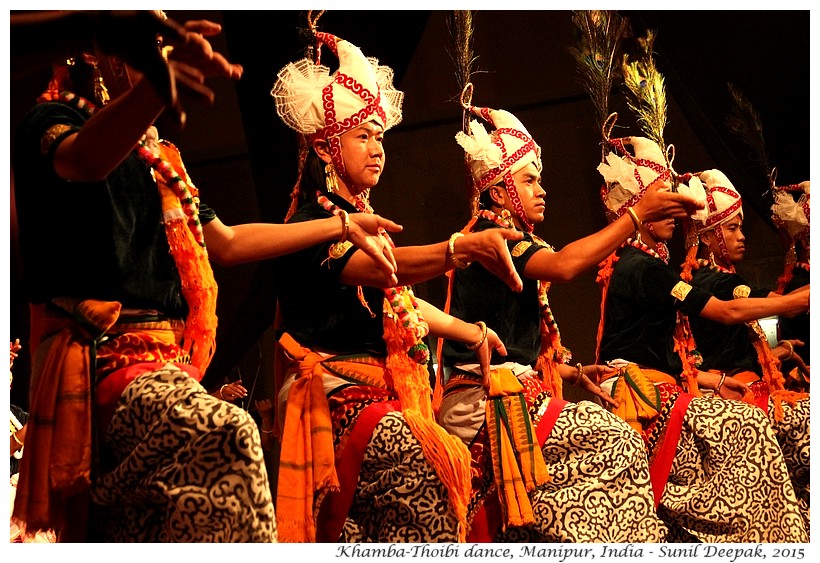
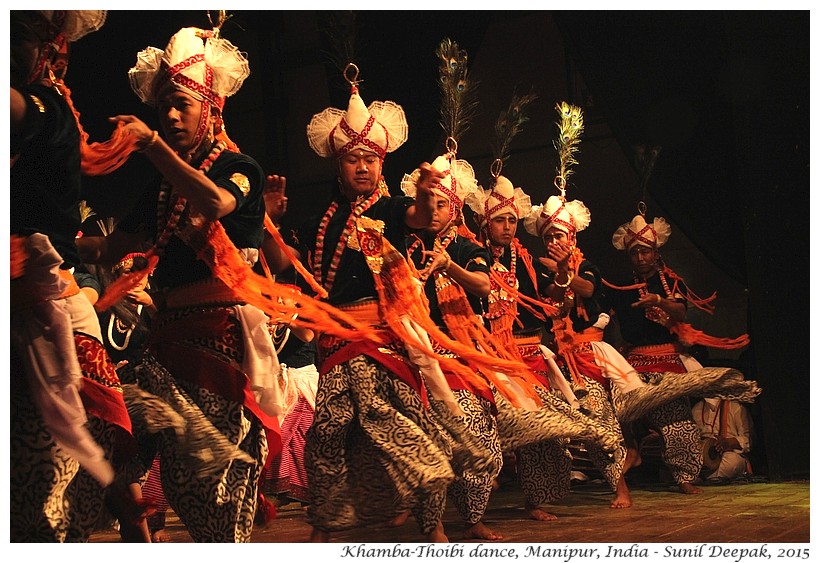
Khmba-Thoibi folkdance, Manipur, India - Images by Sunil Deepak

The Manipuri folk-dance "Khamba-Thoibi" tells the tragic love story of Khamba and Thoibi. They are married after overcoming a lot of difficulties. However, Khamba wants to test his wife's love. He puts on a disguise and tries to force himself on Thoibi. Afraid and angry, she kills him with a spear. Today's pictures show the beautiful costumes of the boys in this dance.

मणिपुर के खम्बा-थोईबी लोकनृत्य में खम्बा और थोईबी की दुखद प्रेमकथा है. बहुत कठिनाईयों के बाद उनका मिलन होता है. लेकिन खम्बा अपनी प्रेमिका के प्रेम की परीक्षा लेना चाहता है. वह भेष बदल कर आता है और थोईबी से जबरदस्ती प्रेम करने की कोशिश करता है. डरी और क्रोधित थोईबी उसे अपने भाले से मार देती है. आज की तस्वीरों में इस नृत्य में युवकों की सुन्दर पौशाकें.

La danza popolare del Manipur, "Khamba-Thoibi" presenta la tragica storia d'amore tra Khamba e Thoibi. Si sposano dopo molte diffcoltà. Ma Khamba vuole verificare l'amore della sua moglie. Si traveste e poi cerca di forzarsi sulla ragazza. Impaurita e arrabbiata lei l'uccide con una lancia. Le immagini di oggi mostrano i belli costumi portati dai ragazzi in questa danza.

***

Thursday, 17 September 2015

Street theatre - Teatro di strada - सड़क का नाटक

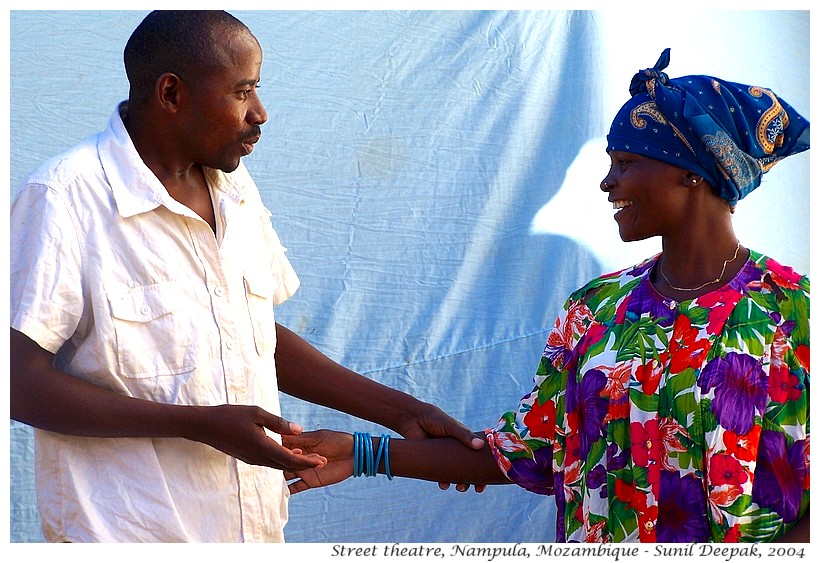
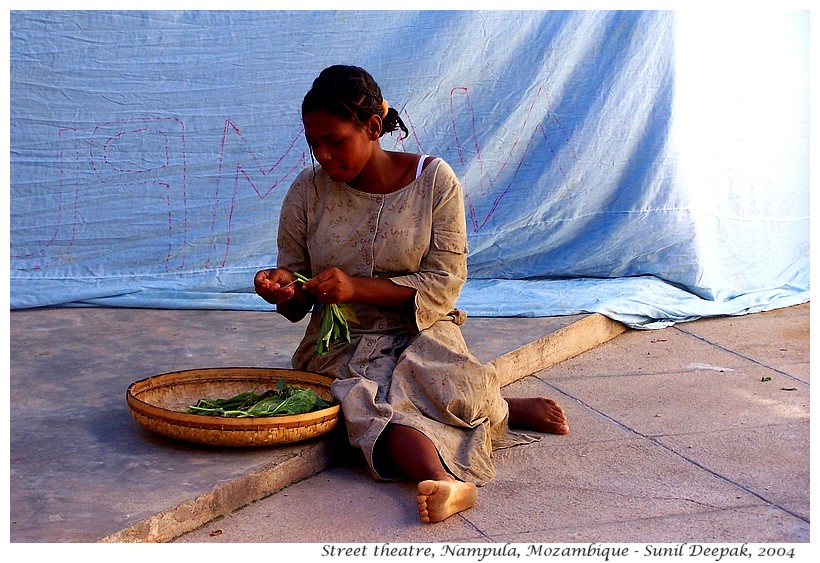
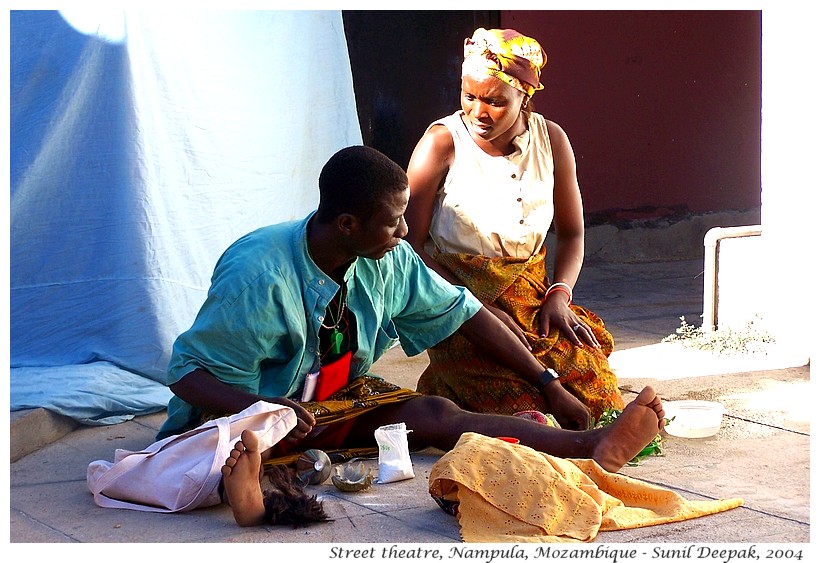
Rehearsal of street theatre, Nampula, Mozambique - Images by Sunil Deepak

Nampula, Mozambique: Governmental and non-governmental organisations often use street theatre for creating public awareness. It was the rehearsal for a street theatre. Its objective was to provide information about a health programme. However I felt that their message about women's rights was not appropriate. The play showed that because the wife did not take proper care of her husband when he was sick, when he was cured he had the right to get married to another woman. When I saw these old pictures, I remembered my discussions with the writer and actors of this group.

नमपूला, मोज़ाम्बीकः जनचेतना के लिए विभिन्न सरकारी व गैरसरकारी संस्थाएँ सड़क के नाटकों का आयोजन करती हैं. वैसे ही एक सड़क के नाटक की रिहर्सल हो रही थी जिसका उद्देश्य था स्वास्थ्य सम्बन्धी जानकारी देना. लेकिन मेरे विचार में उनकी कहानी में नारी अधिकारों के बारे में जो संदेश दिया गया, वह कुछ अटपटा सा था. नाटक का कहना था कि चूँकि पत्नी ने अपने बीमार पति की ठीक से देखभाल नहीं की, जब पति ठीक हो गया तो उसका पहली पत्नी को छोड़ कर दूसरा विवाह करना ठीक था. पुरानी तस्वीरों को देखा तो इस नाटक के लेखक और अभिनेताओं से हुई बहस याद आ गयी!

Nampula, Mozambico: Le organizzazioni governative e non, spesso organizzano teatro di strada per informare il pubblico. Ero alle prove di uno di questi teatri. Il suo obbiettivo era quello di dare informazioni su un programma sanitario. Ma pensavo che il suo messaggio riguardo i diritti delle donne non era appropriato. Dicevano che se la moglie non ha preso buona cura del suo marito quando lui era ammalato, quando lui guarisce è giusto che prende la seconda moglie. Mentre guardavo le vecchie foto, mi sono ricordato delle discussioni avute con lo scrittore e gli attori di questo gruppo.

***

Thursday, 10 September 2015

Free women - Donne libere - स्वतंत्र लड़कियाँ

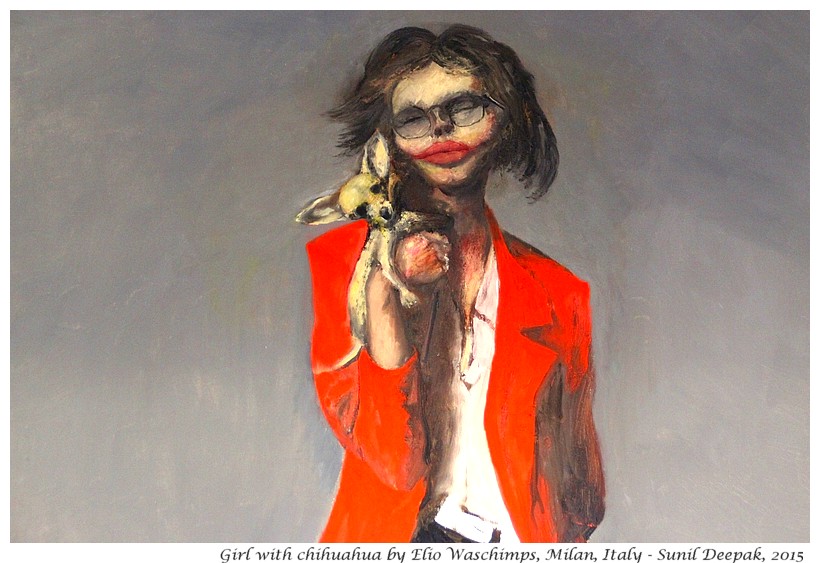
Girl with Chihuahua by Elio Weschimps, Italy - Image by Sunil Deepak
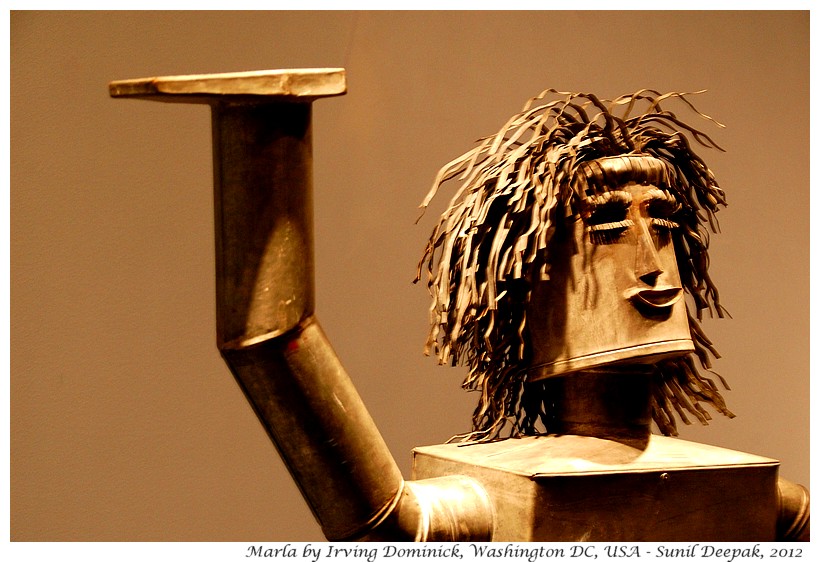
Marla by Irving Dominick, USA - Image by Sunil Deepak
Dancing Girl, London, UK - Image by Sunil Deepak

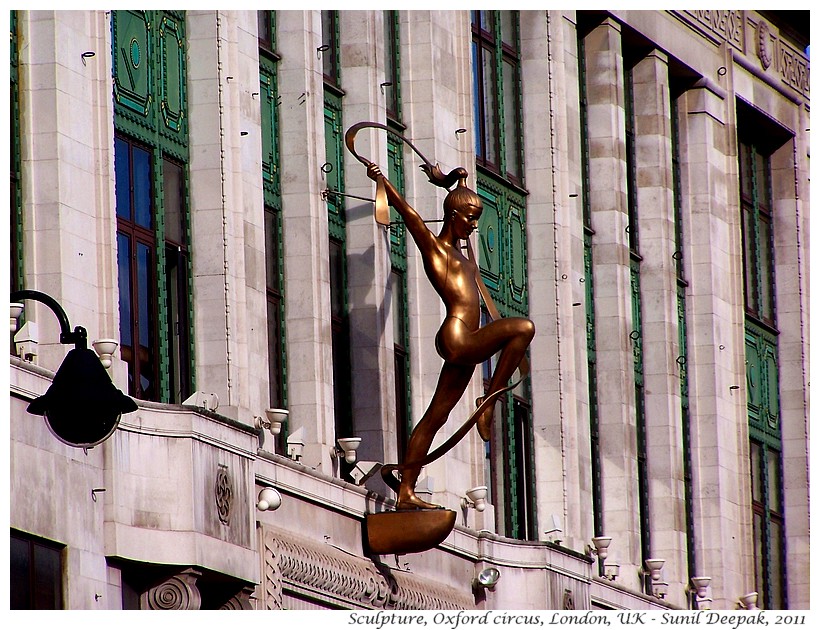
There is pressure to conform in all societies. If you are a girl, the pressure is even more. Family and society put pressure on you to hide your natural self and to appear like the dominant role of women in your society. Today with education & economic liberty, it may have become a little easier for girls to be as they wish to be and resist the social pressure. Today's images are about art trying to express a similar feeling - "Girl with chihuahua" by Elio Weschimps from Italy, sculpture of his grand-daughter "Marla" by American folk artist Irving Dominick and a sculpture of a dancing girl from central London in UK.

इस दुनिया में जैसे हम हैं वैसा रहना, आसान नहीं. लड़की हो तो और भी मुश्किल. परिवार, समाज सब ज़ोर डालते हैं कि अपनी प्राकृतिक वृत्ति को छुपाओ और वैसा दिखो जैसी समाज में लड़कियों की प्रचलित छवि है. शायद आज शिक्षा व आर्थिक स्वतंत्रता के सहारे से लड़कियों के लिए जैसा रहना चाहती हैं वैसा बने रहना कुछ आसान हुआ है. आज की छवियों में जो कला है उसमें कुछ यही भावना खोजने की कोशिश है  - इटली से एलिओ वसचिम्प की "चिहुवावा वाली लड़की", अमरीका से जनकलाकार इर्विन्ग डोमिनिक की अपनी पोती "मारला" की मूर्ति तथा ब्रिटेन में केन्द्रीय लँडन से एक भवन पर नाचती युवती.

In tutte le società c'è la pressione a non sembrare diversi. E' peggio per le ragazze. La famiglia e la società, entrambe ti chiedono di nascondere quello che vuoi essere e di sembrare secondo i canoni sociali dominanti della tua società. Forse è oggi, grazie all'educazione e all'indipendenza economica, è un po' più facile per le donne a vivere secondo i propri desideri. Le immagini di oggi riguardano arte che esprime qualcosa di simile - "La ragazza con il chihuahua" di Elio Weschimps da Italia, la scultura della sua nipotina "Marla" del artista popolare americano Irving Dominick e la statua della ragazza che danza dalla parte centrale di Londra in Gran Bretagna.

***

Wednesday, 9 September 2015

Himachali musicians - Musicisti del Himachal - हिमाचली संगीतकार

Musicians in goddess processions, Kullu, Himachal Pradesh, India - Images by Sunil Deepak

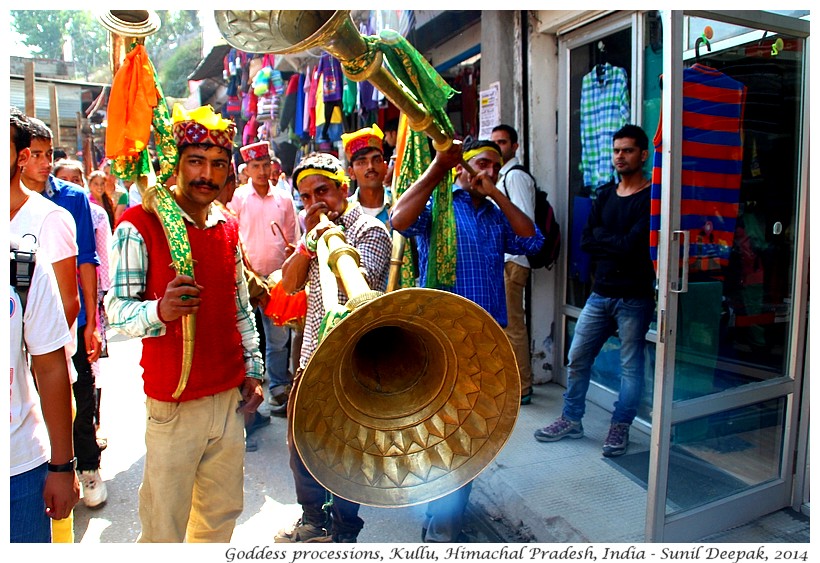
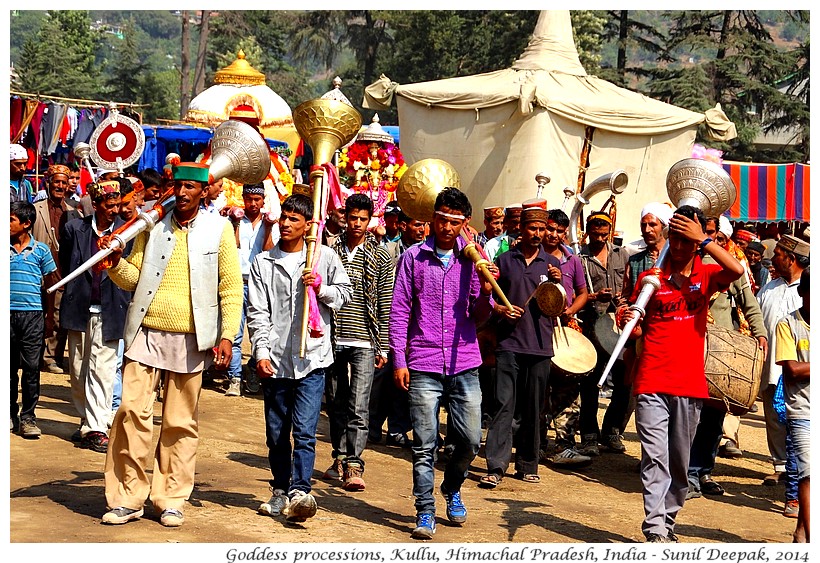
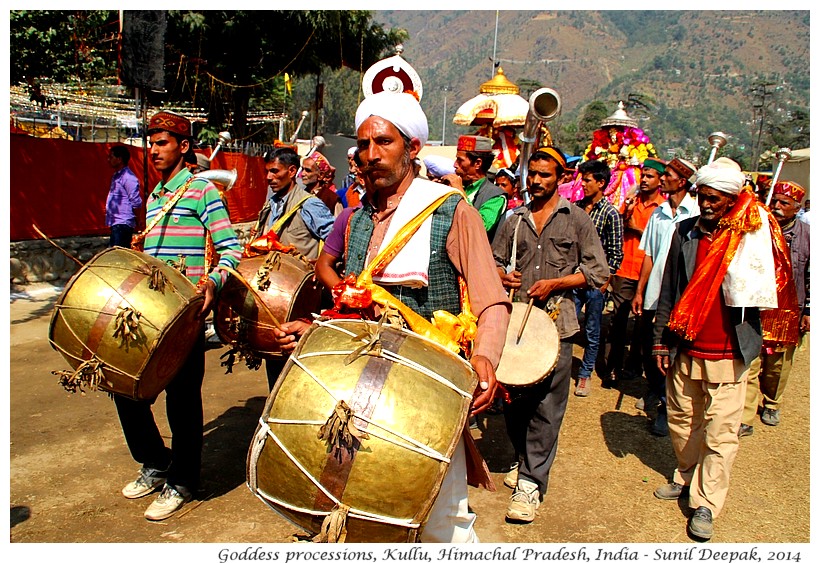
Kullu, Himachal Pradesh, India: In the mountains, each village and town has its patron god or goddess. Today's images have the musicians accompanying the processions of gods and goddesses during the Dashhera festival.

कुल्लू, हिमाचल प्रदेश, भारतः पहाड़ों के हर गाँव शहर के अपने इष्ट देवी या देवता होते हैं. आज की तस्वीरों में कुल्लू दशहरे के अवसर पर हिमाचली देवी देवताओं के जलूस के साथ चलने वाले संगीतकार.

Kullu, Himachal Pradesh, India: Ogni paese e città della montagna ha il suo dio o la sua dea preferiti. Le immagini di oggi hanno i musicisti che accompagnano le procession dei dei e delle dee durante la festa di Dushhera.

***

Friday, 7 August 2015

Naga churches - Chiese Naga - नागा गिरजाघर

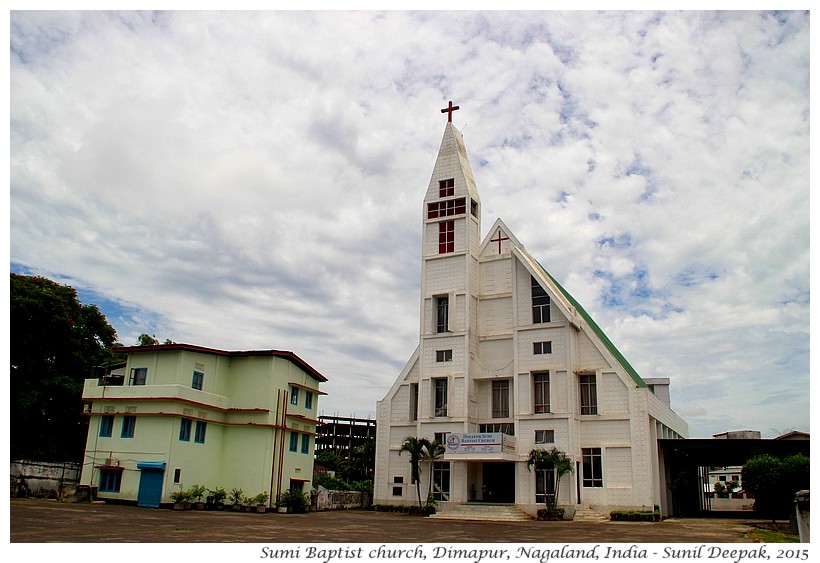
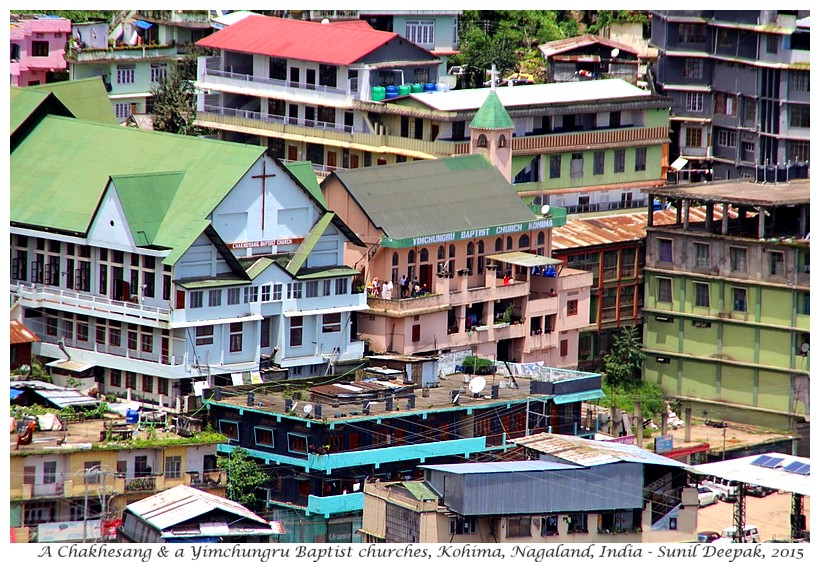
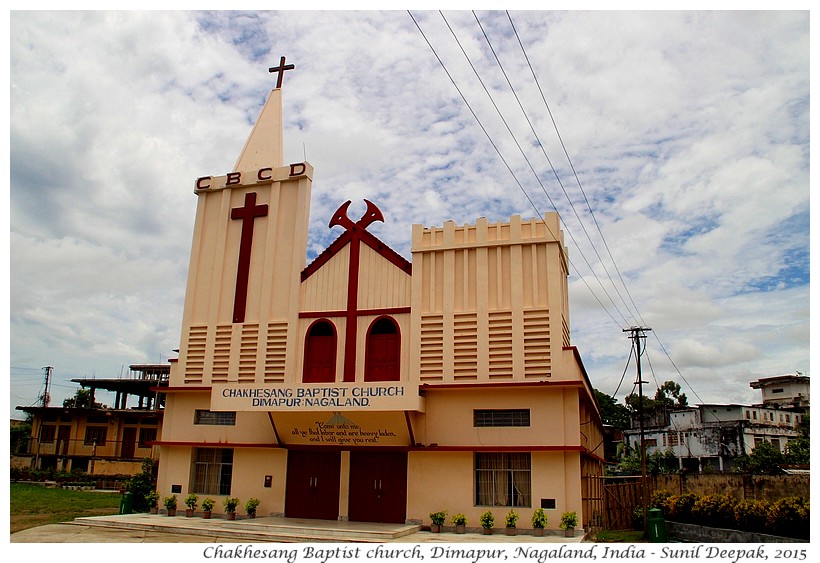
Baptist chuurches, Nagaland, India - Images by Sunil Deepak

Nagaland, India: American Baptist missionaries arrived in the Naga hills around 1850. Today among the different Naga tribes, Baptist Christians are a majority. However, Naga persons have a strong identification with their tribes and languages. Thus, each tribe has its own Baptist church. Today's images have the churches of Sumi, Chakhesang and Yimchungru tribes.

नागालैंड, भारतः नागा पहाड़ियों में अमरीकी बेपटिस्ट मिशनरी 1850 के आसपास आये. आज विभिन्न प्रजातियों के नागा लोगों में बेपटिस्ट ईसाईयों का बाहुल्य हैं. लेकिन नागा प्रजातियों में अपने कबीले की तथा अपनी भाषा की पहचान से लगाव बहुत प्रबल हैं, इसलिए हर प्रजाति के अपने गिरजाघर हैं. आज की तस्वीरों में सूमी, चाकेसाँग तथा यिमछुँगरु नागा प्रजातियों के गिरजाघर.

Nagaland, India: I missionari battisti americani erano arrivati nelle colline Naga intorno al 1850. Oggi tra le diverse tribù dei Naga, i cristiani battisti sono la maggioranza. Ciò nonostante, le persone Naga si identificano fortemente con le proprie tribù e le loro lingue. Per cui ogni tribù ha sua chiesa battista. Le immagini di oggi hanno le chiese delle tribù Sumi, Chakhesang e Yimchungru.

***

Tuesday, 30 June 2015

Widows - Vedove - विधवाएँ

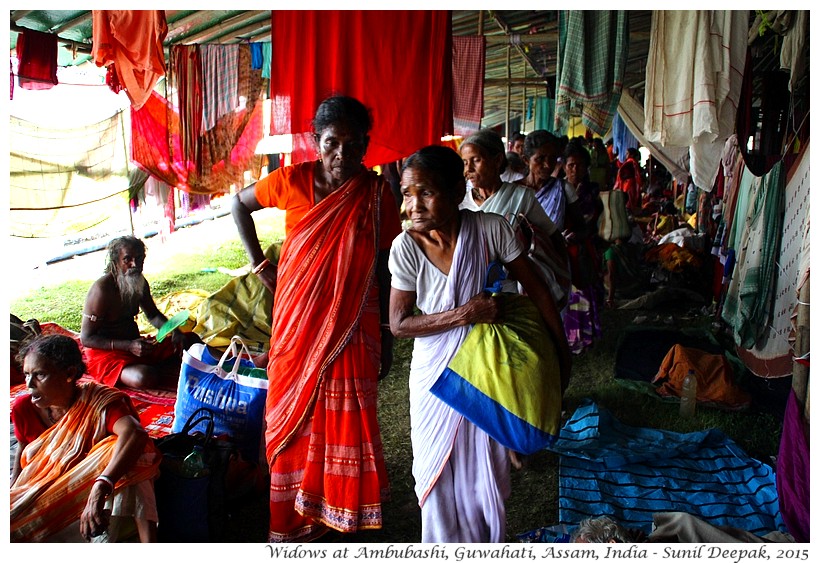
Widows at Ambubashi, Guwahati, Assam, India - Images by Sunil Deepak

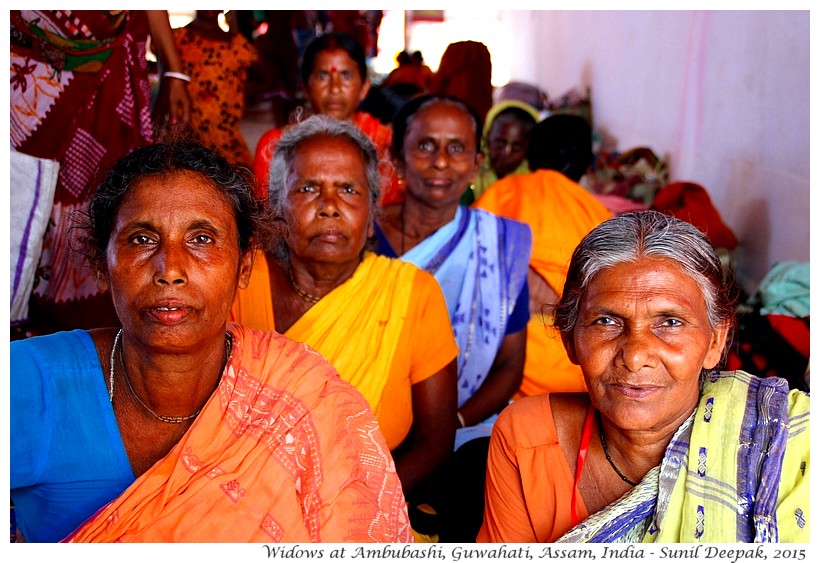
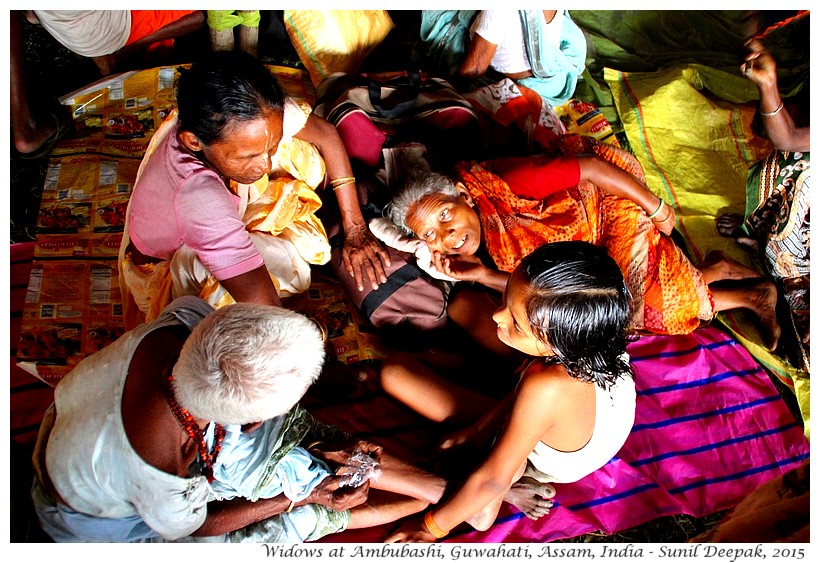
Guwahati, Assam, India: Among the persons who had come for the Ambubashi festival, there were many widows, usually in small groups or accompanied by their families. It was easy to identify them - they did not have red bindi or vermilion on their foreheads. Looking at them you could see how the lives of widows in the villages are slowly changing. Some were not wearing white, rather they had saris of light colours. Many did not have short hair, others had necklace or ear-rings. None of them refused me a picture and many of them came to ask me to photograph them. If I had more time and did not have the language difficulty, I would have loved to talk to them to know more about their lives.

गुवाहाटी, असम, भारतः अम्बुबाशी पर्व में विभिन्न राज्यों से आये लोगों में बहुत सी विधवाएँ भी थीं, अक्सर छोटे गुटों में या परिवार में बच्चों के साथ. उन्हें पहचानना कठिन नहीं था - उनके माथे पर लाल बिन्दी या सिन्दूर नहीं थे. उन्हें देख कर यह समझ आता था कि किस तरह से गावों के समाज में विधवाओं का जीवन बदल रहा है. कुछ ने सफेद साड़ी के बदले हल्के रंगों की साड़ियाँ पहनी थी, बहुतों के बाल नहीं कटे थे, किसी के गले में माला थी या कान में बुन्दे थे. फोटो खिंचवाने के लिए किसी ने न नहीं कहा, कई तो स्वयं मेरे पास आयी तथा मुझे अपनी फोटो खींचने को कहा. अगर मेरे पास कुछ समय होता तथा भाषा की दिक्कत न होती तो अवश्य उनसे बात करके उनके जीवन के बारे में जानने की कोशिश करता.

Guwahati, Assam, India: Tra le persone venute per la festa di Ambubashi, vi erano molte vedove, spesso in piccoli gruppi o accompagnati dalle famiglie. Era facile identificarle - non portavano il puntino rosso e vermiglio sulla fronte. Guardandole, potevi capire come sta cambiando lentamente la vita delle vedove nei villaggi. Alcune non portavano il bianco, invece avevano i sari in colori chiari. Molte non avevano i capelli tagliati corti, e altre portavano collane o orecchini. Nessuna di loro aveva rifiutato di farsi fotografare, al contrario, molte erano venute da me per farsi fotografare. Se avevo più tempo e conoscevo meglio la lingua, mi sarebbe piaciuto parlare con loro per capire di più sulle loro vite.

***
Friday, 7 November 2014

Violent men - Uomini violenti - हिँसक पुरुष

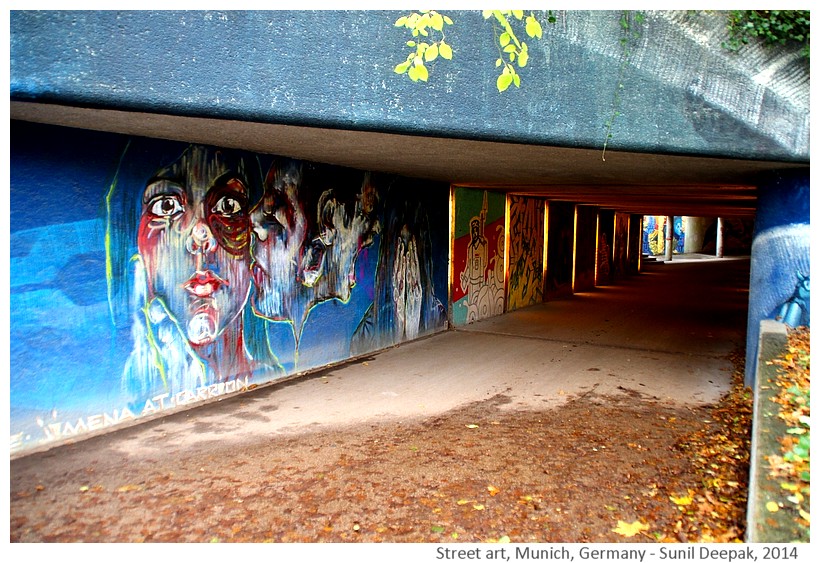
Street art - domestic violence, Munich, Germany - images by Sunil Deepak, 2014

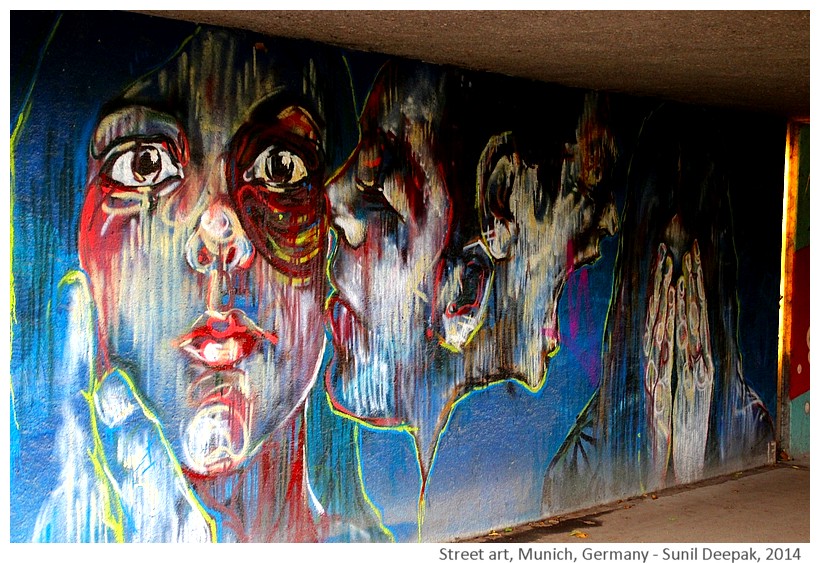
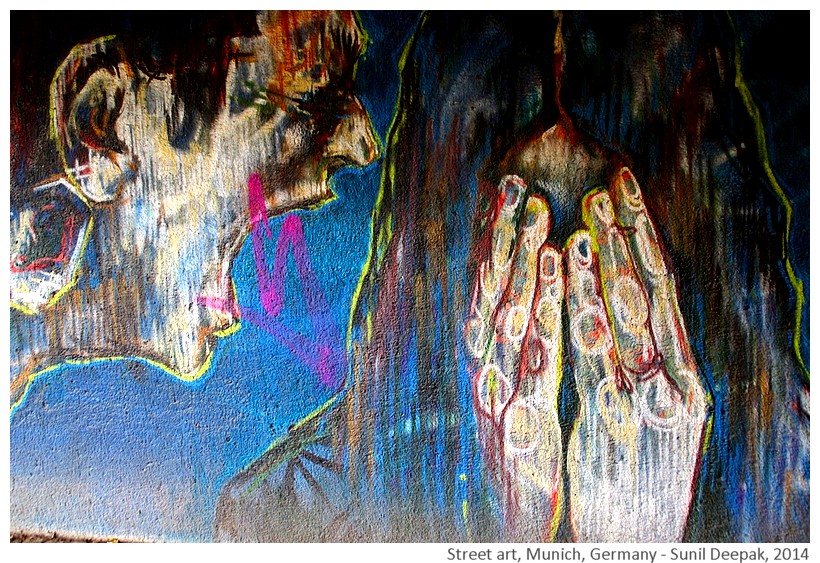
Munich, Germany: From a psychological point of view, love and violence can be two sides of the same coin in some men, resulting from feelings of inferiority, insecurity and inability to articulate their emotions. In many socities, violence against women by their husbands or lovers is considered "normal", seen as a proof of their masculinity. Today's images are of street art about this issue that is often belittled and ignored by the words "domestic violence".

म्यूनिख, जर्मनीः मनोवैज्ञानिक दृष्टि से प्रेम व हिँसा, अक्सर एक ही सिक्के के दो पहलू होते हैं जिनका आधार होता है पुरुषों के मन में हीन भावना, अपने प्रेम के प्रति असुरक्षा और अपनी बात को न कह पाने की कमज़ोरी. बहुत से समाजों में पति या प्रेमी द्वारा नारी के प्रति हिँसा को जीवन का सामान्य हिस्सा माना जाता है, जिसमें हिँसा उसकी मर्दानगी का प्रमाण होती है. आज की तस्वीरों में "सड़क कला" में यही समस्या है जिसे "घरेलू हिँसा" कह कर अनदेखा कर दिया जाता है.

Monaco, Germania: Dal punto di vista psicologico, in alcuni uomini, amore e violenza possono essere i due lati della stessa medaglia, risultato di sensi di inferiorità, insicurezza e incapacità di articolare i propri sentimenti. In diverse società, la violenza dei mariti e degli amanti nei confronti delle donne è considerata "normale" ed un segno della loro mascolinità. Le immagini di oggi sono della arte di strada su questo tema, spesso sminuito e ignorato dietro le parole "violenza domestica".

***
Related Posts Plugin for WordPress, Blogger...

Followers