Showing posts with label West Bengal. Show all posts

Saturday, 19 December 2015

Buffalo dance - Danza dei buffali - भैंस नृत्य

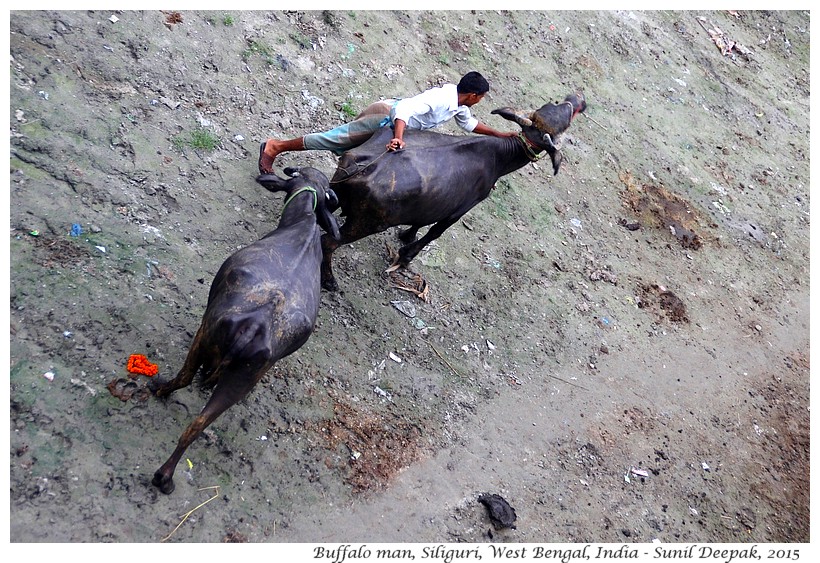
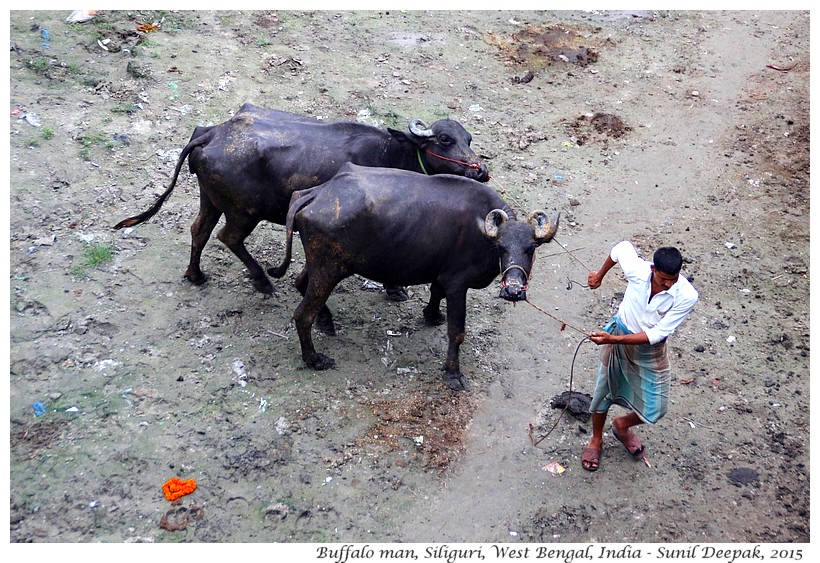
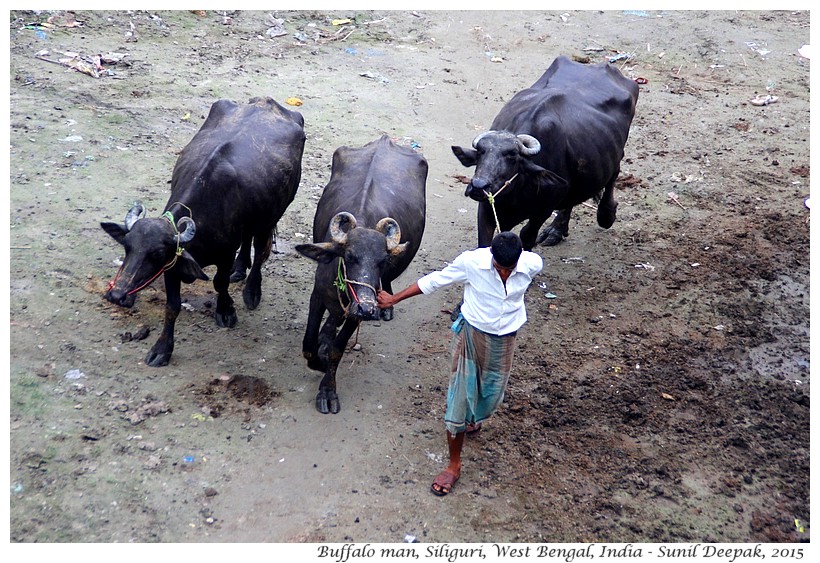
Buffaloes, Siliguri, West Bengal, India - Images by Sunil Deepak

Siliguri, West Bengal, India: Under the bridge on the river Mahanadi, there is a slum, there I had clicked these pictures from the bridge. The movements of the buffaloes had seemed to me like a slow-motion dance.

सिलीगुरी, पश्चिमी बंगाल, भारतः महानदी के पुल के नीचे झोपड़पट्टी है, वहीं पुल के ऊपर से यह तस्वीरें खीचीं थी. भैंसों का आगे पीछे होना, चक्कर काटना, लगा जैसे कोई धीमी गति वाला नृत्य हो रहा हो.

Siliguri, Bengala dell'Ovest, India: Sotto il ponte del fiume Mahanadi vi è una baraccopoli dove avevo scattato queste foto dal ponte. I movimenti dei buffali mi sembravano come una danza lenta.

***

Monday, 29 June 2015

Rajasthani travellers - Viaggiatori dal Rajasthan - राजस्थानी यात्री

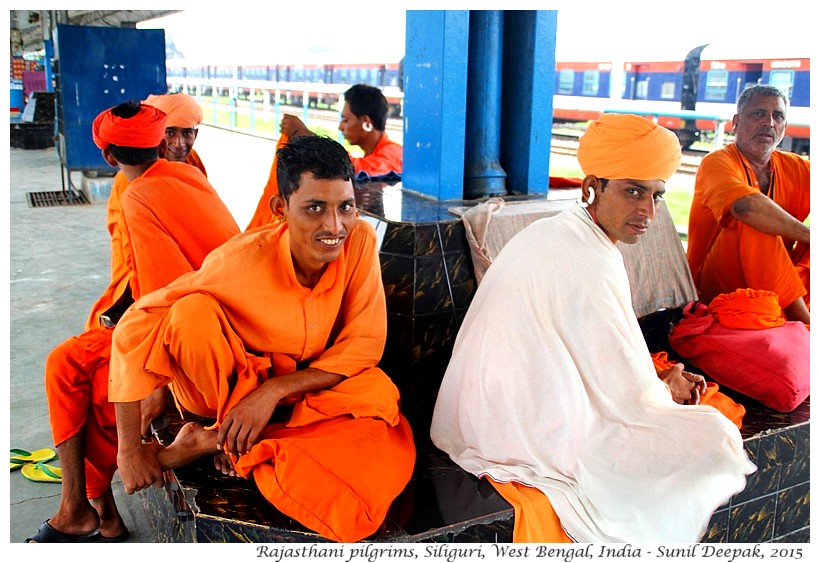
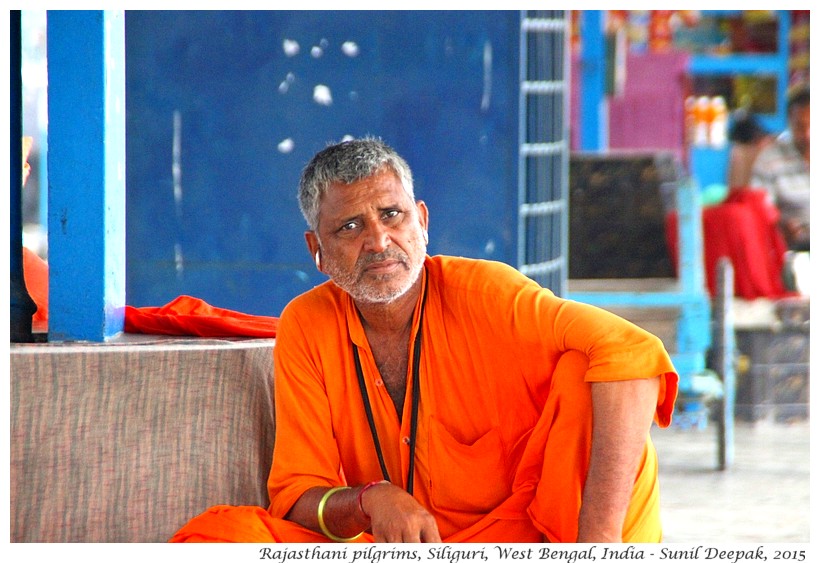
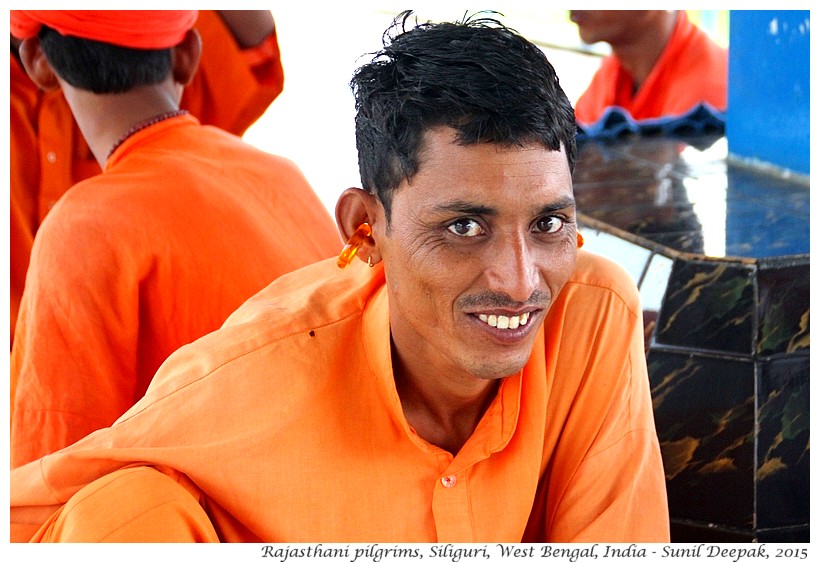
Pilgrims from Rajasthan, Siliguri, West Bengal, India - Images by Sunil Deepak

Siliguri, West Bengal, India: At the railway station I met a group of Rajasthani pilgrims coming back from Guwahati, where they had gone for Ambubashi and stayed there for fifteen days. They were going to a place called Baba Dham. With their luggage wrapped in small bundles and little money in their pockets, they had come for this long journey from the other end of the country. I had gone to Siliguri for one day, and I had more luggage than them and probably, the amount of money I had spent for my one day would have covered the cost of their entire pilgrimage.

सिलीगुड़ी, पश्चिम बँगाल, भारतः रेलवे स्टेशन पर गुवहाटी से लौटते हुए एक राजस्थानी तीर्थयात्री गुट से मुलाकात हुई. पंद्रह दिन तक गुवहाटी में रहे थे वह लोग, अम्बुबाशी मेले के लिए. अब बाबा धाम नाम की जगह पर जा रहे थे. गठरी में बँधा थोड़ा सा सामान और थोड़ा सा पैसा ले कर देश के दूसरे कौने से इतनी लम्बी यात्रा का कार्यक्रम ले कर निकल पड़े थे. मैं एक दिन के लिए सिलीगुड़ी गया था. उनसे अधिक सामान मेरे पास था और एक दिन में जितना पैसा मेरी यात्रा में लगा था, उनमें शायद उनकी पूरी तीर्थयात्रा हो जाती.

Siliguri, Bengala Ovest, India: Alla stazione avevo incontrato un gruppo di pellegrini dal Rajasthan che tornavano da Guwahati, dove erano andati per Ambubashi ed erano rimasti per 15 giorni. Andavano ad un posto chiamato Baba Dham. Con poco bagaglio chiuso in un panno e pochi soldi nelle loro tasche, erano partiti per questo lungo viaggio dal altro capo del paese. Ero andato a Siliguri per un giorno. Avevo più bagaglio di loro e probabilmente i soldi che avevo speso per un giorno di viaggio avrebbe coperto le spese del loro intero pellegrinaggio.

***

Tuesday, 2 June 2015

Siliguri memories - Ricordi di Siliguri - सिलीगुड़ी की यादें

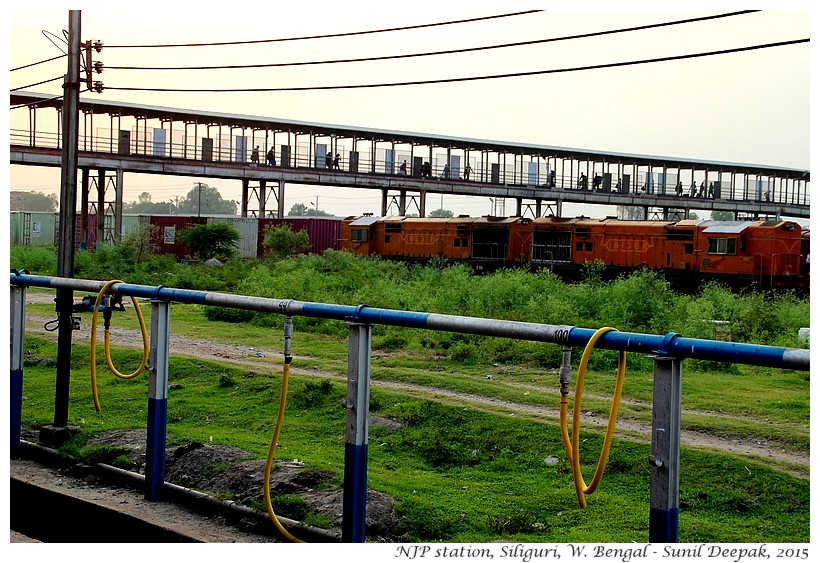
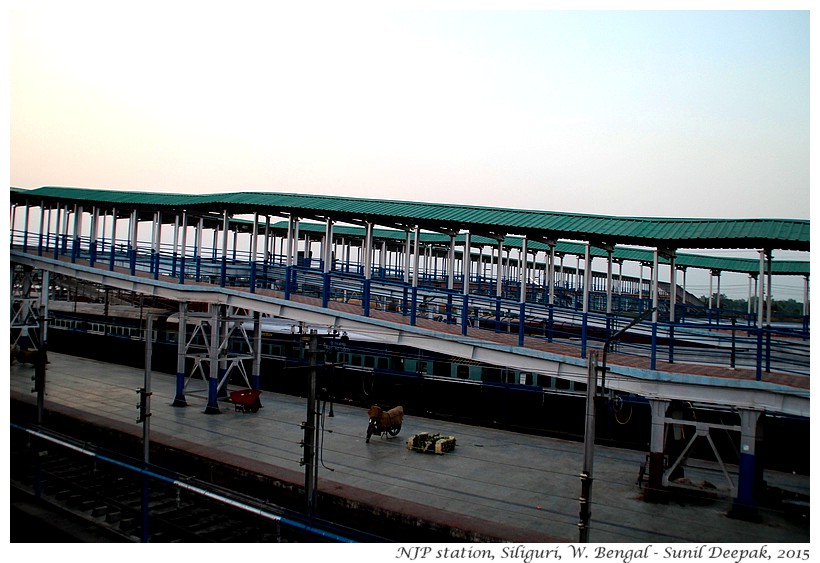
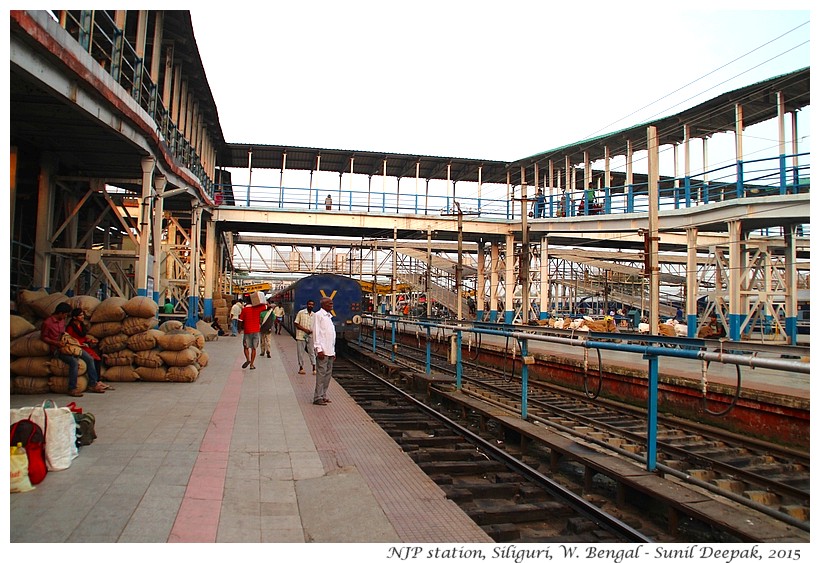
NJP station, Siliguri, West Bengal, India - Images by Sunil Deepak

Siliguri, West Bengal, India: I was back there after fifty years and the city was completely changed. But some of my memories were still fresh. The big house where I was so afraid of the heads of tigers and antelopes on the walls. Stories about ghosts and witches that made my heart beat with anxiety. Walks along Teesta river. Bittu and Neena, our playmates from my uncle's family, who are no more. And, most of all, my young cousin Baby who had died under a truck while crossing the street.

सिलीगुड़ी, पश्चिम बँगाल, भारतः पचास साल के बाद वहाँ लौटा था, और शहर बिल्कुल बदल गया था. पर मेरी कुछ यादें अब भी ताज़ा थीं. वह बड़ा घर जिसमें लगे चीतों और बाराहसिंगों के सिर मुझे डरावने लगते थे. रात को सुनाने वाली भूतों चुड़ेलों की कहानियाँ जिनसे दिल धकधक करता था. तीस्ता नदी के किनारे घूमना. मौसा के परिवार से बचपन के खेल के साथी बिट्टू और नीना जो अब नहीं रहे. और सबसे अधिक, सड़क पार करते हुए ट्रक के नीचे आकर मरने वाली मेरी छोटी सी मौसेरी बहन बेबी.

Siliguri, Bengala ovest, India: Ero tornato là dopo 50 anni e la città era completamente cambiata. Ma alcune delle mie memorie erano ancora fresche. La grande casa dove avevo paura delle teste di tigri e antilopi appese sui muri. I racconti degli spiriti e delle streghe che facevano battere il mio cuore dal terrore. Le passeggiate lungo il fiume Teesta. Bittu e Neena, i nostri compagni dei giochi dalla famiglia di mio zio, che non vi sono più. E più di tutto, la mia giovane cugina Baby, morta sotto un camion mentre attraversava la strada.

***
Thursday, 9 April 2015

Singing painters - Canta-pittori - गायक चित्रकार

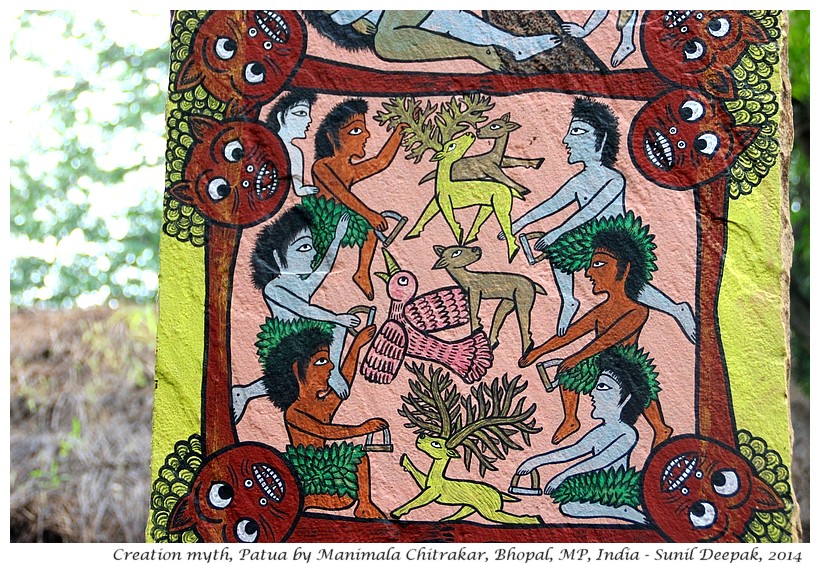
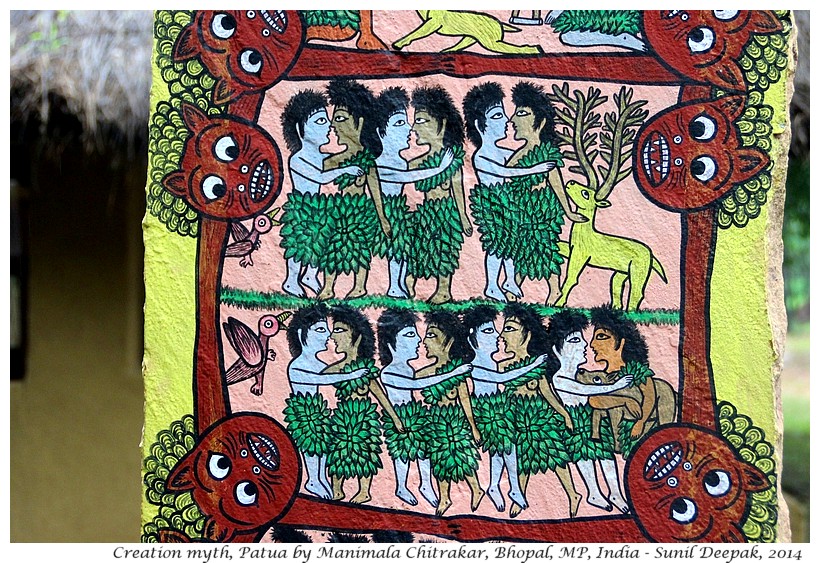
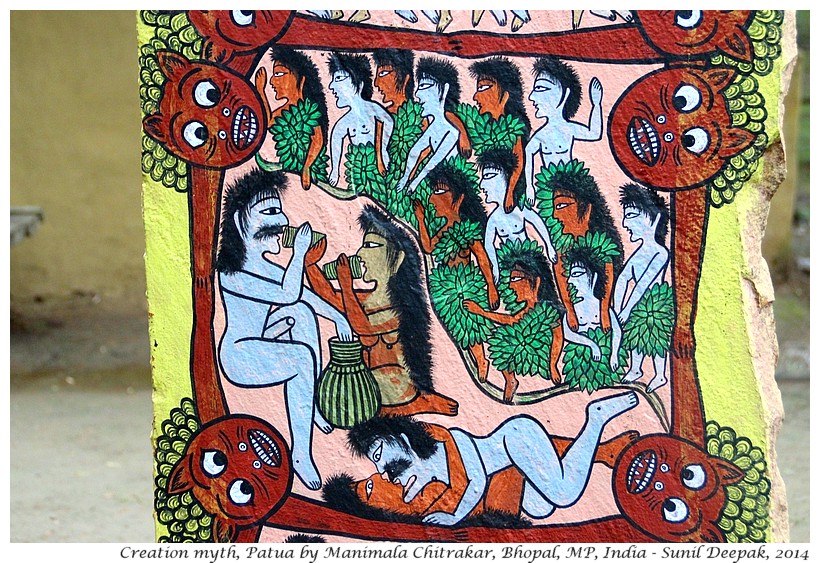
Patua paintings, Midnapur, West Bengal, India - Images by Sunil Deepak

India: Midnapur district of West Bengal has a tradition of Patua artists who paint folk tales and then during marriages and festivals, travel in the villages with their paintings to sing those tales. Like other folk arts, even Patua artists need to grapple with poverty and the changing social context. Today's images have the paintings of artist Ms. Manimala Patua about the seven children of the first couple Pilchu Haram and Pilchu Burhi, who started the human race. This painting is exhibited in Manas Museum of Bhopal.

भारतः पश्चिम बंगाल के मिदनापुर जिले में पटुआ कलाकारों की परम्परा है जो लोककथाओं के चित्र बनाते हैं और विवाह या त्योहारों के मौके पर गाँवों में चित्रों के साथ घूमते हुए उन कथाओं को गा कर सुनाते हैं. हमारी अन्य लोक कलाओं की तरह से पटुआ के कलाकार भी गरीबी तथा समाज के बदलते समावेश से जूझ रहे हैं. आज की तस्वीरों में कलाकार सुश्री मणिमाला पटुआ के चित्र जिनमें आदिम जोड़ी पिल्छु हरम व पिल्छु बुरही के सात बच्चों की कहानी है जिनसे दुनिया में पहले मानव आये. यह कलाकृति भोपाल के मानस संग्रहालय में प्रदर्शित है.

India: Il distretto di Midnapur nello stato di West Bengal ha la tradizione di artisti Patua, i quali dipingono le storie mitologiche e poi durante i matrimoni e le festività, girano nei villaggi con i loro quadri per cantare le loro storie. Come le altre arti tradizionali, anche gli artisti Patua devono affrontare la povertà e il mutato contesto sociale. Le immagini di oggi sono dei quadri dell'artista sig.ra Manimala Patua riguardo i sette figli della prima coppia Pilchu Haram e Pilchu Burhi, con i quali era inziata la razza umana. Questo quadro è esposto al museo Manas di Bhopal.

***
Related Posts Plugin for WordPress, Blogger...

Followers