Showing posts with label Zoo. Show all posts

Wednesday, 2 December 2015

Zoo birds - Uccelli dello zoo - चिड़ियाघर के पक्षी

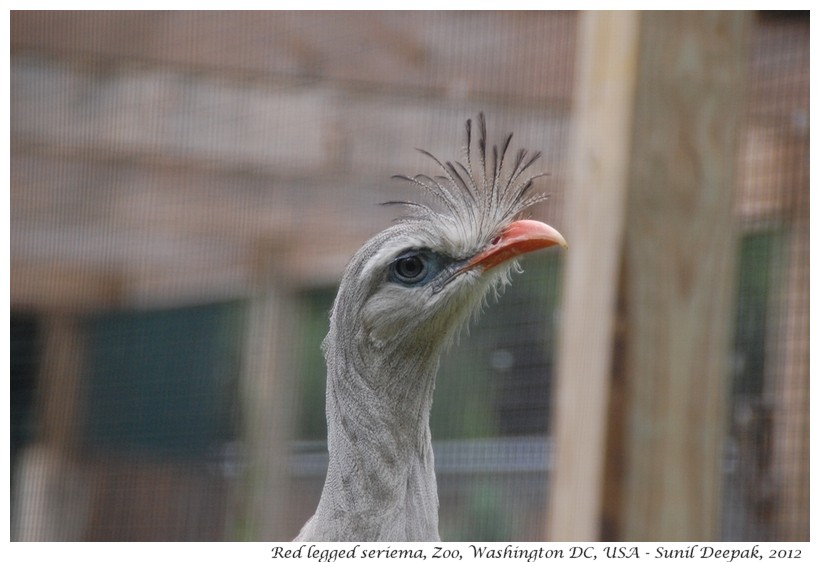
Red legged seriema, Zoo, Washington DC, USA - Images by Sunil Deepak
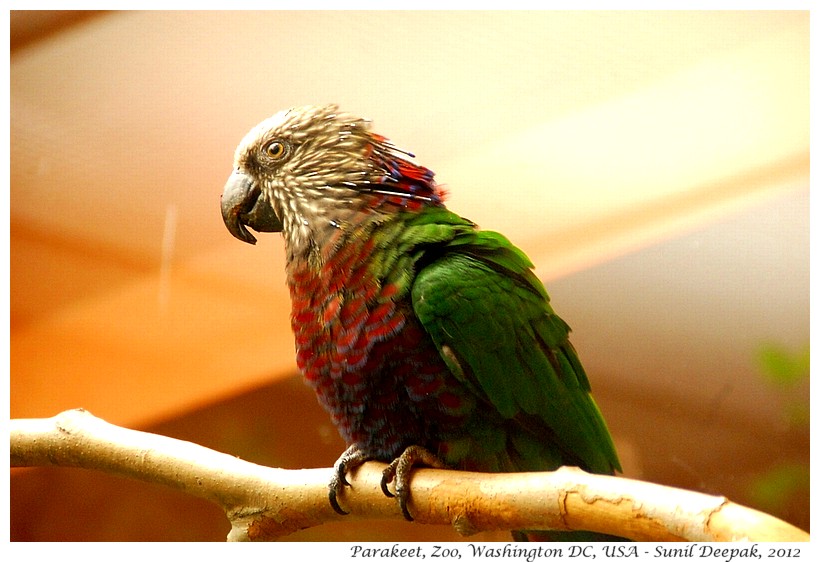
Red & blue breasted parakeet, Zoo, Washington DC, USA - Images by Sunil Deepak
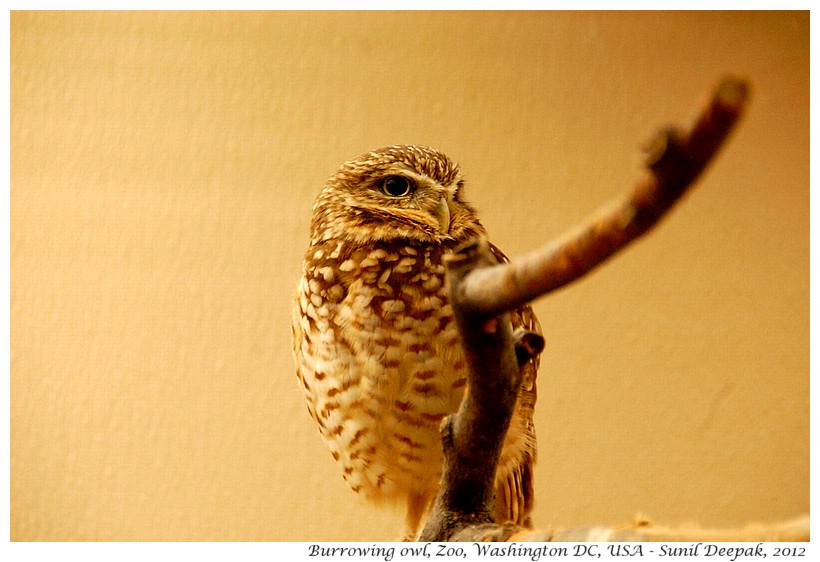
Burrowing owl, Zoo, Washington DC, USA - Images by Sunil Deepak

Washington DC, USA: Three birds from the zoo. I love clicking pictures of animals and birds but rarely do such pictures satisfy me. Only in the zoo, some pictures come out nice.

वाशिन्गट डीसी, अमरीकाः चिड़ियाघर से तीन पक्षी. पशु पक्षियों की तस्वीरें खीचना मुझे बहुत अच्छा लगता है पर कम ही उनकी तस्वीरें अच्छी आती है! केवल चिड़ियाघरों में उनकी तस्वीरें कुछ ठीक आ पाती हैं.

Washington DC, Stati Uniti: Tre uccelli dallo zoo. Amo fotografare gli animali e gli uccelli ma rare volte mi piacciono le mie foto. Soltanto allo zoo, riesco a scattare qualche foto decente.

***

Monday, 14 September 2015

African Kori - Kori africano - अफ्रीकी कोरी

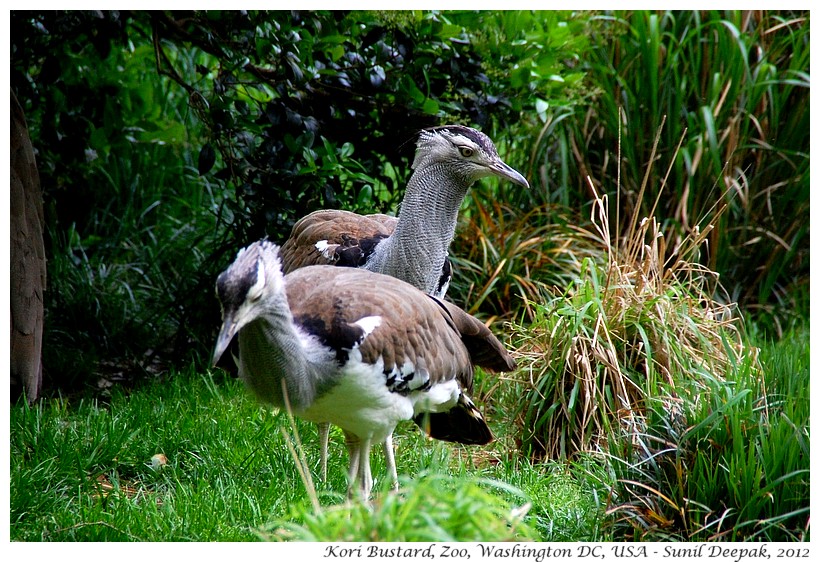
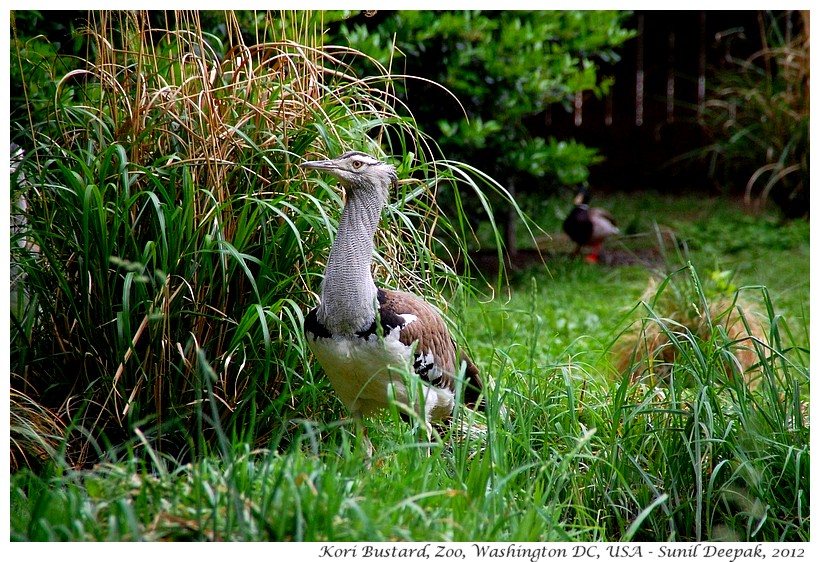
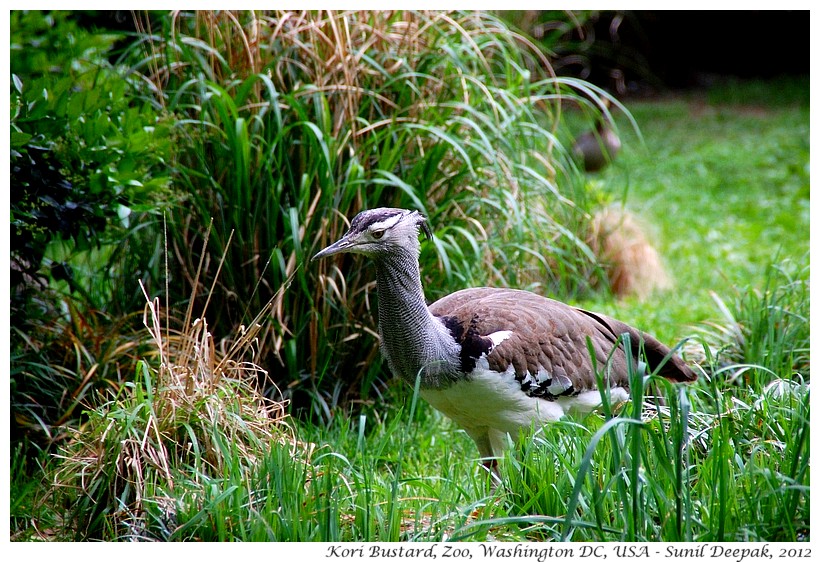
Kori Bustard, zoo Washington DC, USA - Images by Sunil Deepak

Washington D.C., USA: Some nature lovers wish that all zoos should be closed because they feel that keeping birds and animals in cages is cruelty. I feel that there can be nothing better than a zoo to teach children about the diversity, beauty and importance of nature. Today's images have African Kori bustard from the zoo in Washington DC. It is also known as "gum eater bird" as it eats the gummy raisin from the stems of Acacia trees.

वाशिन्गटन डी.सी., अमरीकाः कुछ प्रकृति प्रेमी चाहते हैं कि सभी चिड़ियाघर बन्द कर दिये जाये क्योंकि उनके विचार में पशु पक्षियों को पिँजरों में बन्द करना क्रूरता है. मेरे विचार में बच्चों को प्रकृति की विविधता, सुन्दरता व महत्व समझाने के लिए चिड़ियाघरों से बढ़ कर कोई अन्य जगह नहीं. आज की तस्वीरों में अफ्रीकी कोरी पक्षी वाशिन्गटन के चिड़ियाघर से. इसे "गोँद खाने वाला पक्षी" भी कहते हैं क्योंकि यह अफ्रीकी बबूल वृक्ष से निकलने वाली गोँद को खाता है.

Washington D.C., Stati Uniti: Alcuni amanti della natura vorrebbero chiudere tutti gli zoo perché credono che tenere animali e uccelli nelle gabbie è crudele. Penso che gli zoo possono essere i luoghi migliori per fare capire ai bambini la diversità, la bellezza e l'importanza della natura. Le foto di oggi hanno gli uccelli africani Koro Bustard dallo zoo di Washington. Lo chiamano anche "Uccello che mangia la colla" perché questi mangiano la resina che esce dai tronchi degli alberi di Acacia.

***

Thursday, 6 August 2015

Indian hornbills - Hornbill indiani - भारतीय घनेश

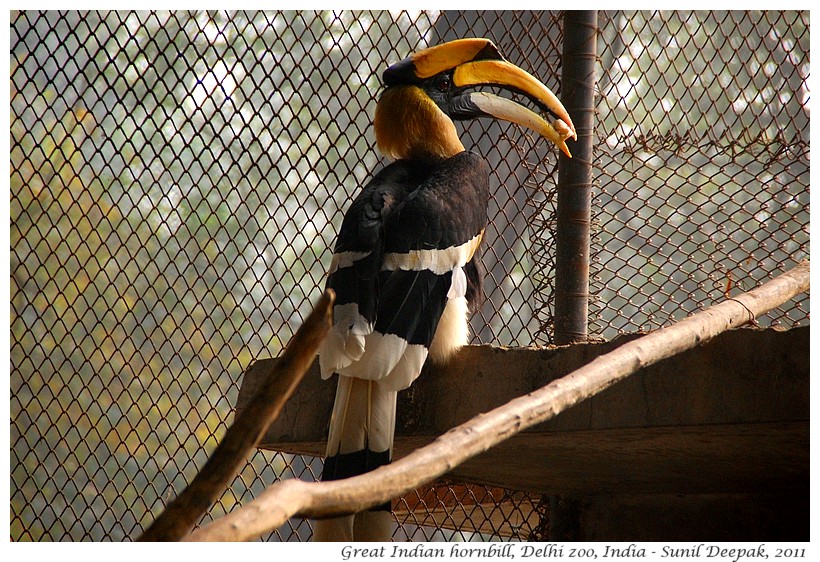
Great Indian Hornbill, Delhi zoo, India - Images by Sunil Deepak
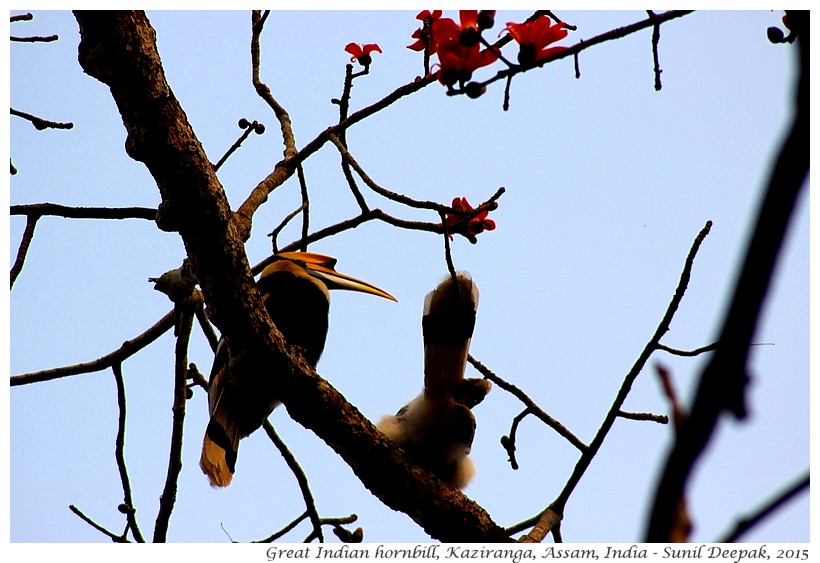
Great Indian Hornbill, Kaziranga, Assam, India - Images by Sunil Deepak
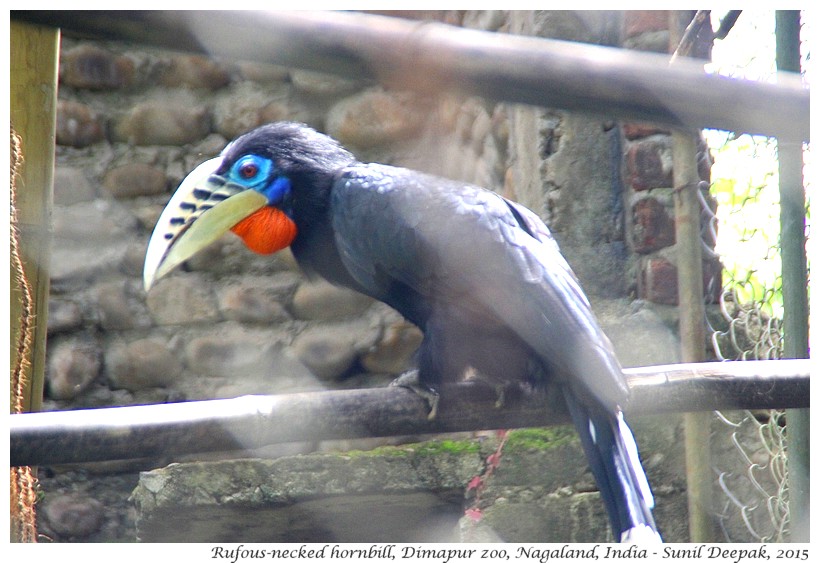
Rufous-necked Hornbill, Dimapur zoo, Nagaland, India - Images by Sunil Deepak

India: Today's images have 2 species of Indian hornbills - first two images have the Great Indian Hornbill (Buceros bicornis) from Delhi zoo and from Kaziranga national park; the third image has Rufous-necked hornbill (Acero nipalensis) from the Dimapur zoo. In hornbills, their upper two neck vertebra are fused so that their necks can support their heavy beaks. They also lack small feathers under their flying wings (under-wing coverts) so that when they fly air can pass between their feathers and produce a sound as if a helicopter is passing.

भारतः आज की तस्वीरों में भारतीय होर्नबिल (घनेश) पक्षियों की दो प्रजातियाँ - पहली दो तस्वीरों में ग्रेट इन्डियन होर्नबिल, एक दिल्ली के चिड़ियाघर में तथा दूसरा असम के काज़ीरंगा संरक्षित वन से; तीसरी तस्वीर में रुफुस-नेक्ड होर्नबिल दीमापुर के चिड़ियाघर से. होर्नबिल की गर्दन की दो हड्डियाँ आपस में जुड़ी होती हैं ताकि उसकी गर्दन उसकी भारी चोंच का भार उठा सके. उसके उड़ने वाले पँखों के नीचे छोटे पँख नहीं होते, जिससे जब वह उड़ते हैं तो उनके पँखों के बीच हवा के गुज़रने से ऐसी ध्वनि होती है मानो कोई हैलीकोप्टर गुज़र रहा हो.

India: Le immagini di oggi hanno due specie indiane di uccelli Hornbill - le prime due immagini hanno il grande hornbill indiano (Buceros bicornis) dallo zoo di Delhi e dal parco naturale di Kaziranga; la terza ha la femmina del rufous-necked hornbill (Acero nipalensis) dallo zoo di Dimapur. Negli hornbill, le due vertebra superiori del loro collo sono fuse per supportare il peso dei loro becchi. Inoltre, nelle loro ali mancano le piccole piume nella parte inferiore per cui quando questi uccelli volano il passaggio dell'aria tra le ali produce un suono simile al passaggio di un elicottero.

***

Tuesday, 4 August 2015

Sleepy bears - Orsi sonnolenti - निन्दियाए भालू

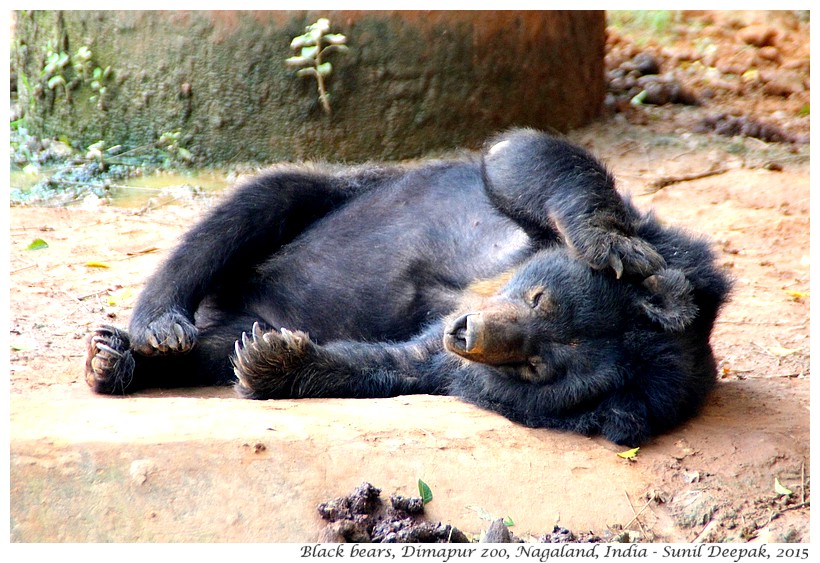
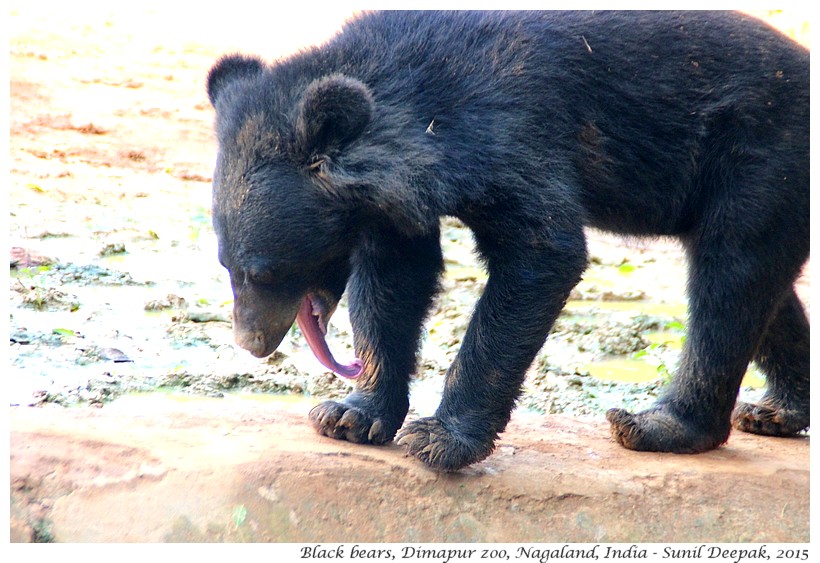
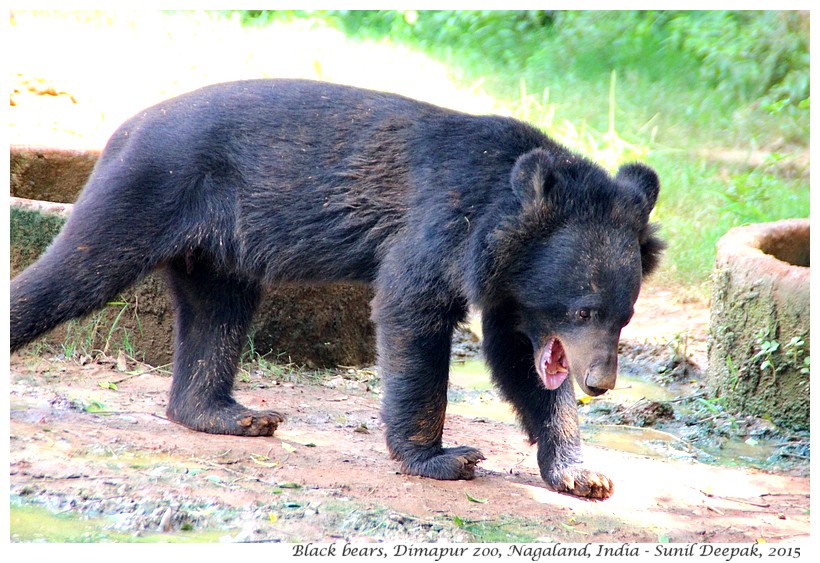
Sleepy bears, Dimapur zoo, Nagaland, India - Images by Sunil Deepak

Dimapur, Nagaland, India: One afternoon, I was free and thought of going to the zoo. Going in an auto on a road full of pot-holes, all the bones in my back were vigorously shaken. And it was a hot and muggy afternoon. No animals were out, all were hiding somewhere. But I saw a bear family sleeping under the shade of a tree. The first ones to wake were the children bears, and they yawned so much!

दीमापुर, नागालैंड, भारतः एक दोपहर को खाली था तो चिड़ियाघर जाने की सोची. खड्डों वाली सड़क पर आटो की सवारी से कमर की सारी हड्डियाँ हिल गयीं. साथ में भयंकर गर्मी व उमस. उसमें जानवर तो क्या दिखने थे, बेचारे कहीं छुपे बैठे थे. पर एक भालू परिवार दिखा जो एक वृक्ष की छाया में सोया था. पहले बच्चे भालू जगे और उन्होंने खूब उबासियाँ लीं!

Dimapur, Nagaland, India: Un pomeriggio ero libero e ho pensato di visitare lo zoo. Viaggiare su un autorisciò per una strada piena di buchi, sentivo la mia schiena tutta frullata. Poi vi era un'affa incredibile. Nessun animale era fuori, erano tutti nascosti da qualche parte. Ma si vedeva una famiglia di orsi neri che dormiva sotto l'ombra di un albero. I primi a svegliarsi erano i ragazzi orsi e si sono messi a sbadigliare a non finire!

***

Wednesday, 8 April 2015

Garbage birds - Uccelli delle mondizie - कूड़ा पक्षी

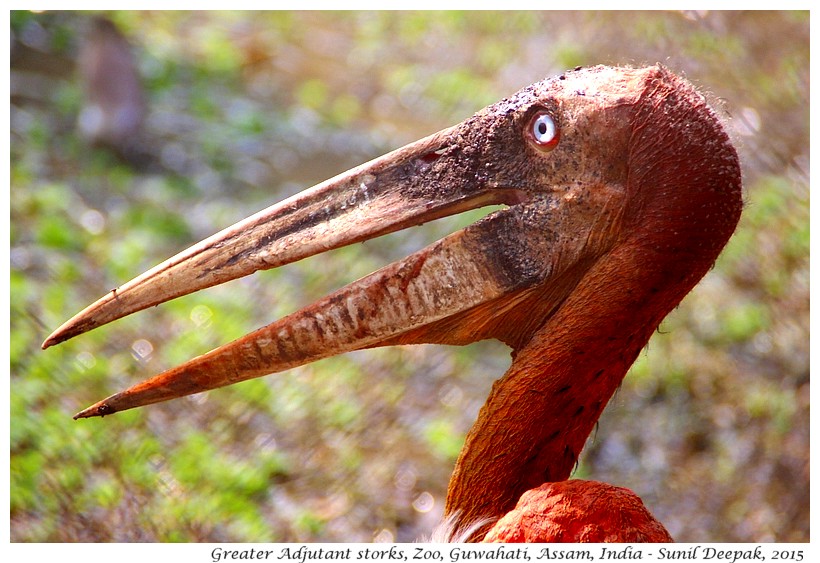
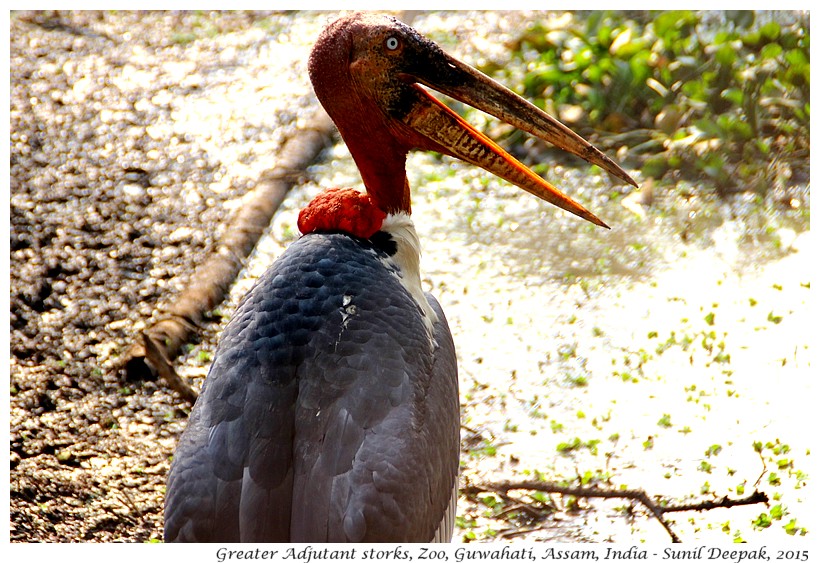
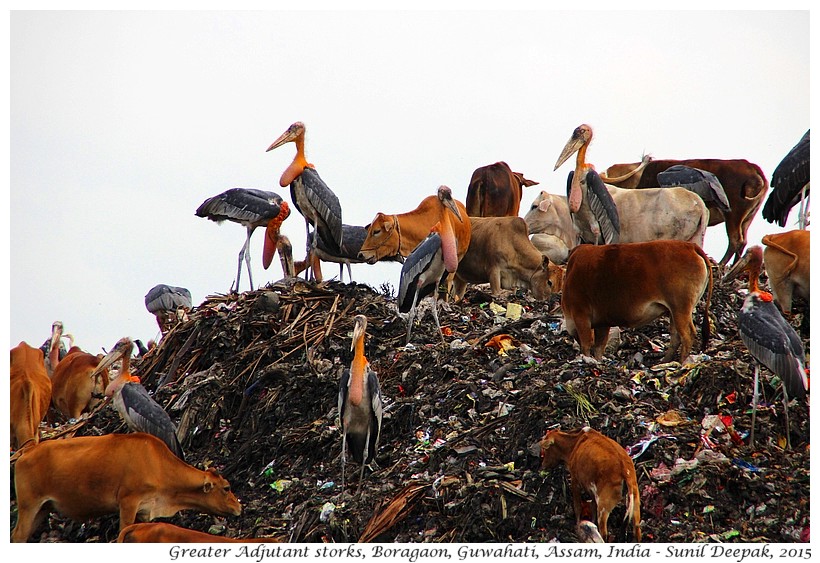
Greater Adjutant storks, Guwahati, Assam, India - Images by Sunil Deepak

Guwahati, Assam, India: Greater Adjutant storks are nature's "cleaning birds", who feed on dead animals and garbage. Once they were common all over Asia, now they are left only in a few parts of Assam and a small number is in Cambodia. In Boragaon in the south-west of Guwahati, where the city's garbage is collected, they can be seen in large numbers as in the 3rd image where they can be seen along with cows.

गुवाहाटी, भारतः हाड़गिला प्रकृति के "स्वच्छता कर्मचारी" पक्षी हैं, क्योंकि यह मृत पशु पक्षियों तथा कूड़े को साफ़ करते हैं. कभी यह पक्षी सारे एशिया में अधिक संख्या में पाये जाते थे, आज यह केवल असम के कुछ भागों में बचे हैं या फ़िर कुछ थोड़े से पक्षी कम्बोडिया में हैं. गुवाहाटी के दक्षिण पश्चिमी भाग में बोरागाँव में, जहाँ शहर का कूड़ा एकत्रित होता है, बहुत से हाड़गिला दिखते हैं जैसा की तीसरी तस्वीर में देख सकते हैं जिसमें इन पक्षियों के साथ गायें भी दिखती हैं.

Guwahati, Assam, India: Marabù maggiore asiatico sono gli "uccelli della pulizia" della natura perché si alimentano di carcasse e di rifiuti. Una volta erano presenti in tutta l'Asia, mentre ora sono rimasti soltanto in alcune parti dell'Assam e un piccolo numero si trova in Cambogia. Nel quartiere di Boragaon, nella parte sud-occidentale di Guwahati, dove si raccolgono i rifiuti della città, molte di queste cicogne sono presenti come si vede nella terza immagine, dove sono insieme alle mucche.

***
Saturday, 14 March 2015

Blue & yellow - Blu e giallo - नीला व पीला

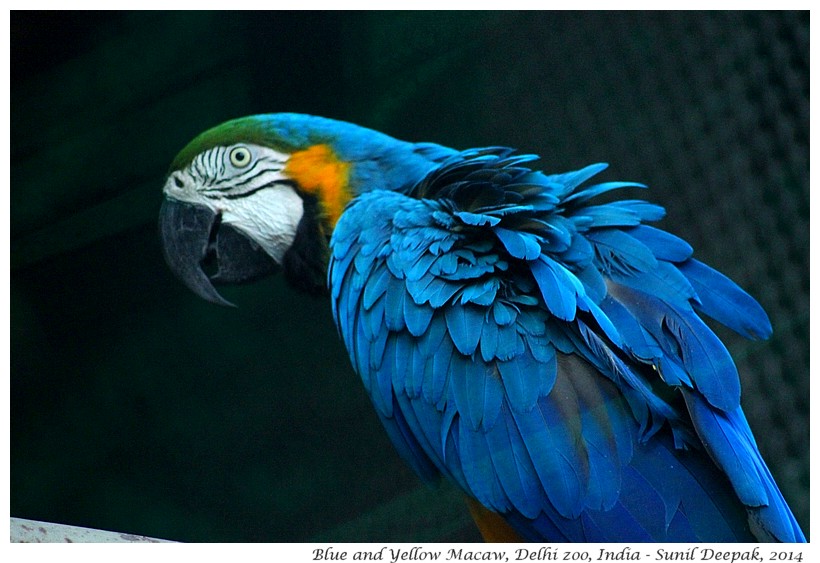
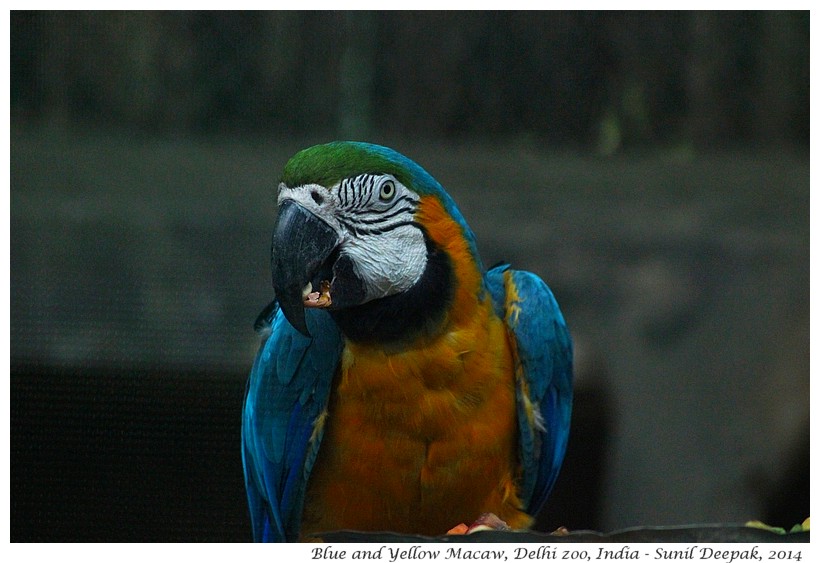
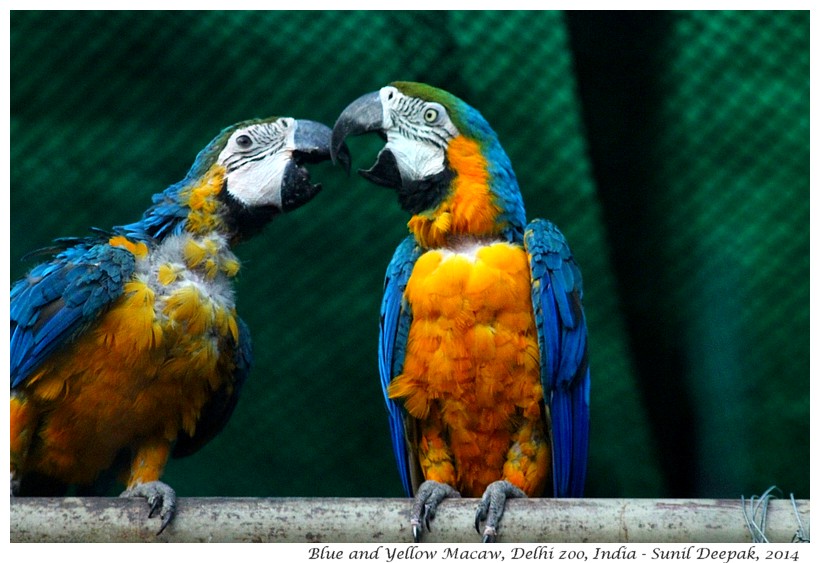
Blue and gold Ara, Delhi zoo, India - Images by Sunil Deepak

Delhi, India: Every time I see the blue-yellow macaws, I remember a girl I had met almost 20 years ago in Guyana in south America. Her parrot was bigger. While she was riding a bicycle it sat on the handle, enjoying the wind. Today's images of parrots are from the Delhi zoo.

दिल्ली, भारतः जब भी नीले-पीले तोतों को देखता हूँ तो करीब बीस साल पहले दक्षिणी अमरीकी देश ग्याना में मिली एक लड़की याद आ जाती है. उसका नीला-पीला तोता थोड़ा बड़ा था. वह साईकल चला रहा थी और तोता हैण्डल पर बैठा हवा का आनन्द ले रहा था. आज की तस्वीर के तोते दिल्ली के चिड़ियाघर से हैं.

Delhi, India: Ogni volta quando vedo i pappagalli blu-gialli, ricordo una ragazza che avevo incontrato 20 anni fa in Guyana in sud america. Suo pappagallo era più grande. Mentre lei andava sulla bici, il pappagallo stava sul manubrio e godeva l'aria. Le immagini di oggi sono dallo zoo di Delhi.

***

Wednesday, 24 December 2014

Wise elderly - Vecchi saggi - ज्ञानी बूढ़े

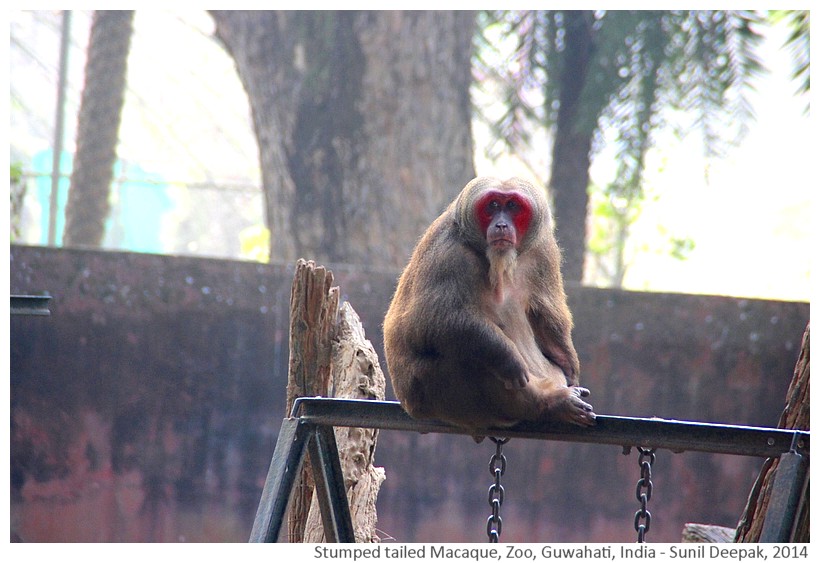
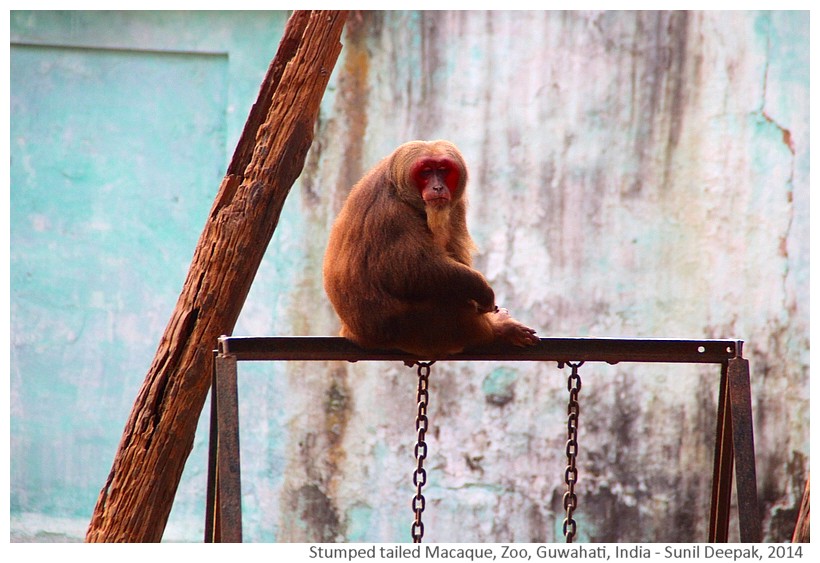
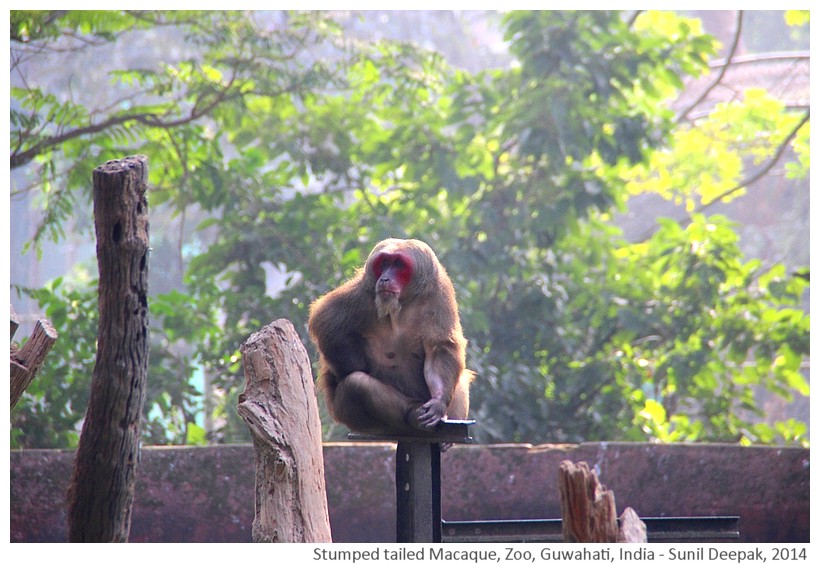
Stumped tailed macaque, zoo Guwahati, India - Images by Sunil Deepak

Guwahati, Assam, India: Apes with black faces are called Hanuman apes. However in my opinion, that name suits much more these red faced and a little sad looking apes that seem lost in thoughts like some elderly wise men.

गुवाहाटी, असम, भारतः काले चेहरे वाले बन्दरों को हनुमान बन्दर कहते हैं. लेकिन मुझे लगा कि वह नाम इन लाल चेहरे वाले, सोच में डूबे, कुछ उदास से बैठे, ज्ञानी वृद्ध लगने वाले बन्दरों पर अधिक जँचता.

Guwahati, Assam, India: Le scimmie con le facce nere si chiamano le scimmie di Hanuman. Invece, secondo me quel nome è più adatto a queste scimmie con le facce rosse e un po' tristi che sembrano degli anziani saggi persi nei pensieri.

***
Related Posts Plugin for WordPress, Blogger...

Followers