Monday, 31 March 2008

Royal Pride - Fascino Reale - राजसी शान

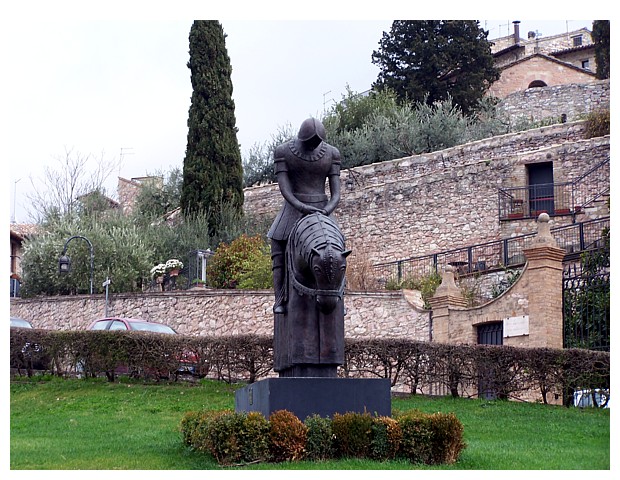
मिलान, इटलीः वैसे तो मिलान शहर में देखने वाली चीज़ें कम हीं हैं पर शहर का कैथेड्रल जिसे दुओमो कहते हैं, वह बहुत भव्य है. यह भवन गौथिक वास्तुकला शैली का सर्वश्रेष्ठ उदाहरण माना जाता है जिसमें अत्याधिक सजावट पर ज़ोर दिया जाता है और आकाश की ओर उठने का प्रयास. इसी कैथेड्रल के सामने इटली के राजा वित्तोरियो इमानुएले ने 1865 में अपनी शान के लिए एक गैलरी बनवायी थी और कैथेड्रल के सामने घोड़े पर बैठे उसी राजा की मूर्ती बनी है.

Milan, Italy: I feel that there are only a few things to visit in Milan, but the cathedral called Duomo is grandiose. It is considered to be the best example of gothic architecture, that places emphasis on excessive decoration and spires striving towards the heavens. In front of the cathedral, in 1865 king Vittorio Emanuele got built the famous gallery and his statue is there in the square in front of the cathedral.

Milano, Italia: Non vi sono molti posti da visitare a Milano ma il Duomo è grandioso. E' considerato il miglior esempio dell'architettura gotica. Davanti al cattedrale c'è la famosa galleria fatta costruire dal re Vittorio Emanuele nel 1865 e nella piazza del Duomo c'è una statua del re sul suo cavallo.


Sunday, 30 March 2008

Bodies On Sale - Corpi In Vendita - बिकाऊ देह

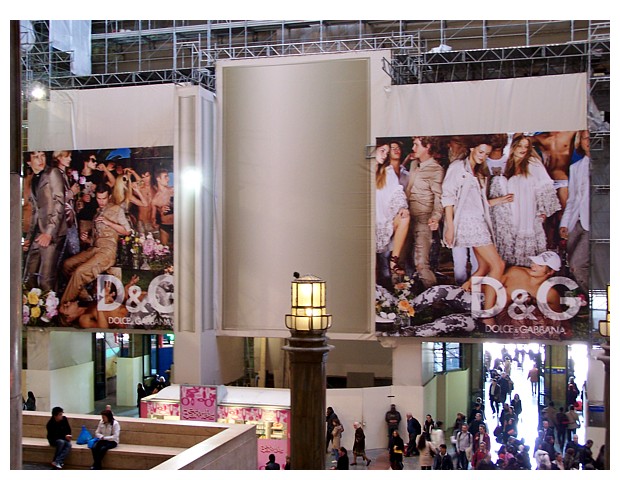
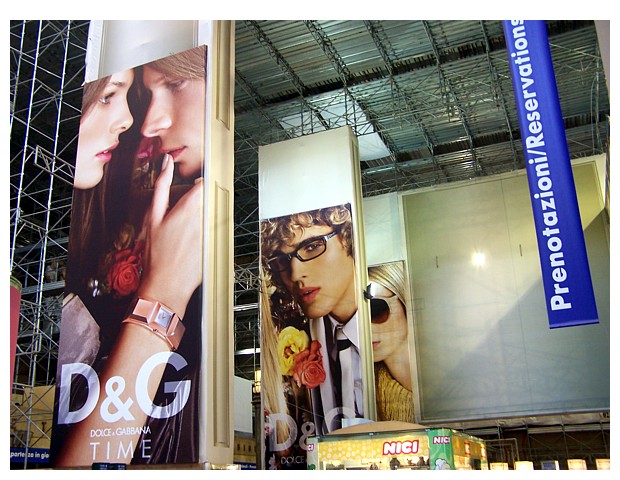
मिलान, इटलीः लंदन से वापस आया और अगली सुबह ही मिलान जाना था. मिलान के रेलवे स्टेशन पर प्रसिद्ध इतालवी डिज़ाईनर दोलचे और गब्बाना के बड़े बड़े नये विज्ञापन दिखे. "दोलचे और गब्बाना" शायद अच्छे डिज़ाईनर भी हैं, यह मुझे मालूम नहीं पर उन्हें अपने विज्ञापनों से कैसे जनता को जबरदस्त धक्का दिया जाये, यह अच्छी तरह आता है. उनके कई विज्ञापन सेक्स सम्बंधी विषय पर, विषेश रूप से नग्न पुरुष शरीर के साथ इस तरह के दृष्य लिये होते हैं कि अश्लीलता की सीमा को पार लेते हैं. इसी वजह से कई बार उनके विज्ञापनों पर पाबंदी भी लग चुकी है. मिलान के स्टेशन के इन नये विज्ञापनों में कम से कम वह बात नहीं है.

Milan, Italy: Immediately after my return from London, I had to travel to Milan. At the Milan railway station I saw huge hoardings of the new Dolce & Gabbana ads. Perhaps they are good desginers, I don't know that, but they are definately good at shocking the public with their ads. Some of their ads are explicitly sexual, especially exploiting nude male bodies with gay undertones. Some of those ads have also been banned. These new ads are comparatively quite tame.

Milano, Italia: Subito dopo il mio rientro da Londra dovevo andare a Milano. Alla stazione centrale ho visto la nuova pubblicità di Dolce e Gabbana. Non so se sono bravi come disegnatori, ma sono sicuramente bravi nella loro strategia comunicativa. Spesso la loro pubblicità ha sessualità come tema, in particolare sfruttano il nudo maschile. Alcuna loro pubblicità è anche stata vietata. Invece questa nuova pubblicità di Dolce e Gabbana alla stazione di Milano è meno provocatoria.


Saturday, 29 March 2008

London Aerial View - Londra Vista Panoramica - ऊँचाई से लंदन

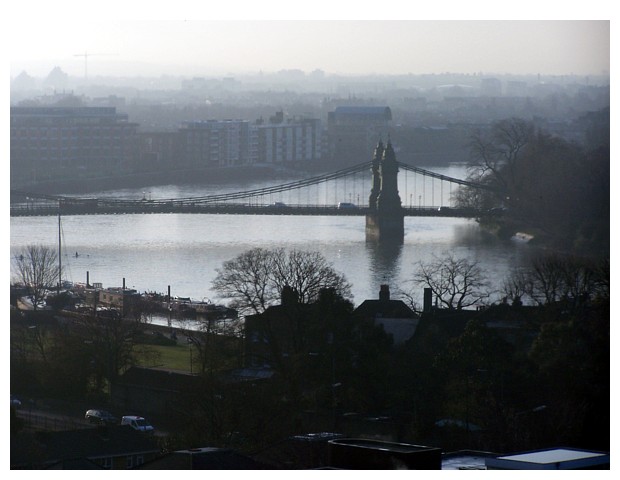
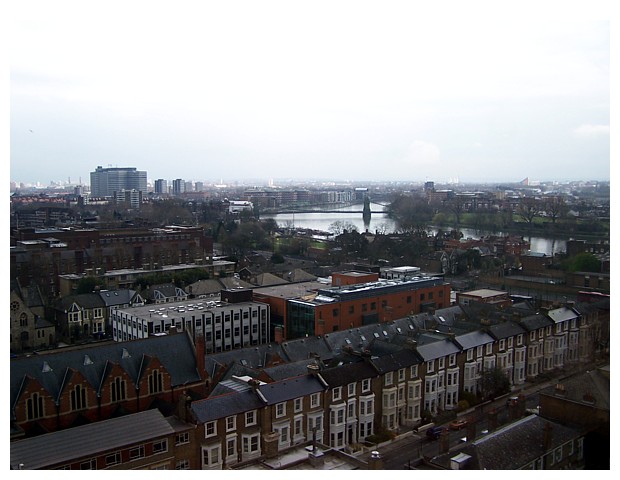
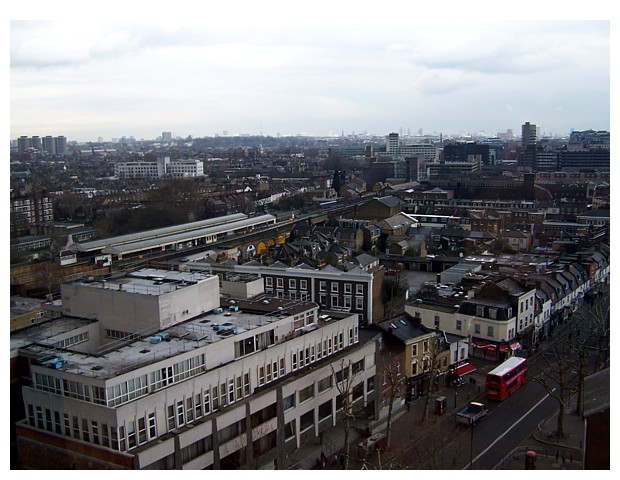
लंदन, ब्रिटेनः इस बार लंदन में होटल का कमरा बारहवीं मज़िल पर था जहाँ से शहर का और थेम्स नदी का विहँगम दृष्य दिखता था. उसी की कुछ तस्वीरें.

London, Britain: This time my hotel room was near the top, from where the view of the city and the river Thames was wonderful. Here are some pictures from the hotel window.

Londra, Regno Unito: Questa volta la mia camera in hotel era su un piano alto e la vista della città di Londra e del fiume Tamigi era meravigliosa.


Tuesday, 25 March 2008

Pages of History - Pagine della Storia - इतिहास के पृष्ठ

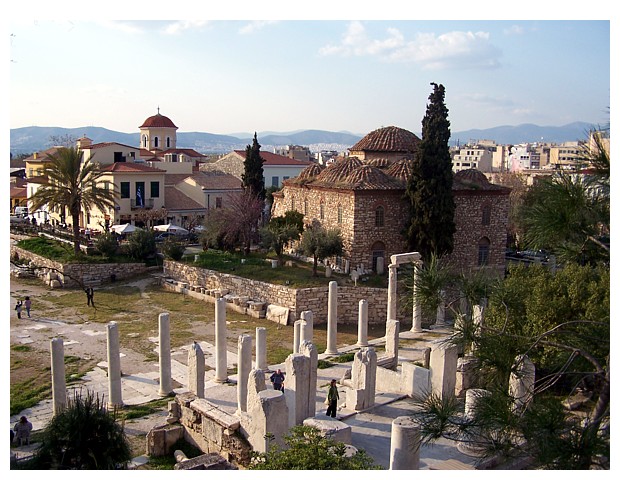
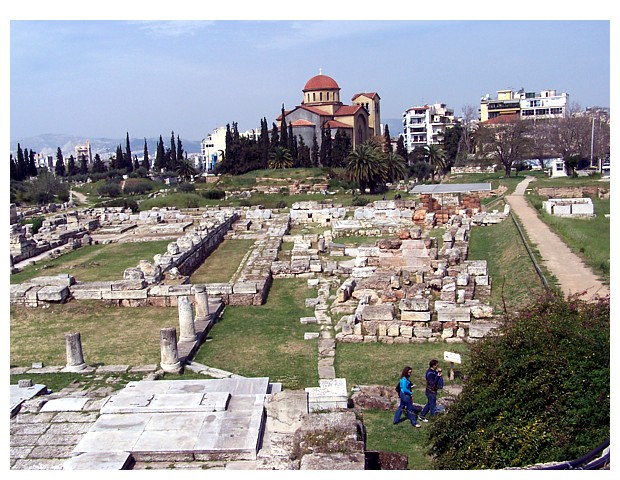
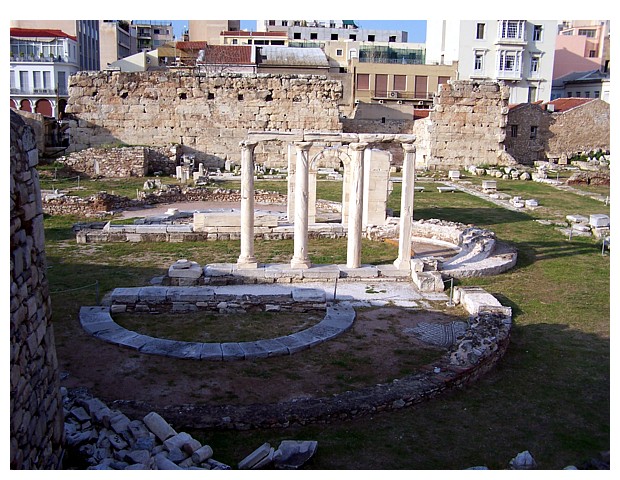
एथेंस, ग्रीसः पिछले वर्ष जब ग्रीस की राजधानी एथेंस गये थे तो मन को बहुत धक्का सा लगा था. जिधर देखो उधर घर ही घर, जबकि पेड़ पौधे, बाग तो बहुत खोज कर ही मिलते या दिखते थे. मानो हर तरफ़ कंक्रीट का जंगल हो. वह जगहें जहाँ एथेंस का इतिहास खँडहरों मे लिखा है, उनके आसपास उनको घेरे हुए इतने घर हैं कि जी घुटने सा लगता. हर वर्ष वहाँ लाखों पर्यटक आते हैं इन खँडहरों को देखने, मानव सभ्यता के प्रारम्भ के कई महत्वपूर्ण पृष्ठ यहीं लिखे गये थे.


Athens, Greece: Every time that I think of our journey to Athens last year, it reminds me of a metropolis that is a concrete jungle, where greenery is hard to find, just endless views of blinding white houses. Most the important ruins are surrounded by houses encroaching on the ruins. Every year hundreds of thousands of tourists come to look at these, I wonder if they feel suffocated! It is hard to imagine that so many important pages of human history were written here.


Atene, Grecia: Ogni volta che ci penso al nostro viaggio a Atene l'anno scorso, mi sento un po' male al pensiero dell'enorme giungla di cemento, dove vedere un po' di verde è una fatica. Gli antichi monumenti sono circondati e soffocati dalle case. Centinaia di migliaia di turisti arrivano ogni per vedere questi luoghi dove furono scritte diverse pagine importanti della storia dell'umanità.


Monday, 24 March 2008

Gubbio's wolf - Lupo di Gubbio - गुब्बियो का भेड़िया

गुब्बियो, इटलीः गुब्बियो शहर के खूँखार भेड़िये की कहानी प्रसिद्ध है जिसकी वजह से पूरे शहर में दहशत छायी थी. इस कहानी के अनुसार संत फ्राँसिस से मिल कर वह भेड़िया बदल गया और उसने लोगों पर हमला करना बंद कर दिया. कहानी सुन कर सोचा था कि शहर में अवश्य इस कहानी के भेड़िये की मूर्ती बनी होगी पर वहाँ घूमते हुए मुझे इस तरह की कोई मूर्ति नहीं दिखी.

Gubbio, Italy: There is a story of a wolf linked to Gubbio, who was terrorising the city and then after meeting Saint Francis, he changed. When I had heard the story, I had imagined that city would have a statue of this wolf. However, going around the medieval city I didn't see any such statue!

Gubbio, Italia: C'è la storia di un feroce lupo di Gubbio, che terrorizzava la città e che cambiò natura dopo aver incontrato san Francesco. Quando avevo sentito questa storia, avevo immaginato che in città vi sarà una statua di questo lupo. Invece girando per la città non ho visto nessuna statua del lupo!


Sunday, 23 March 2008

Umbria - उमब्रिया

गुब्बियो, इटलीः उमब्रिया और तोसकाना इटली के मध्य भाग में दो प्रदेश हैं जहाँ देश विदेश से पैसे वाले और प्रसिद्ध लोग छुट्टियाँ मनाने आते हैं. यहाँ छोटे छोटे मध्ययुगीन बहुत सारे शहर हैं जहाँ छोटी गलियाँ, पुराने भवन, कला और प्राकृतिक सुंदरता साथ साथ मिलते हैं. फ्लोरेंस तोसकाना का सबसे प्रसिद्ध शहर है और अधिकतर आम पर्यटक फ्लोरेंस और पीसा को देखने की ही सोचते हैं, जबकि इन छोटे शहरों में कम ही पर्यटक आते हैं. उमब्रिया के एक छोटे से पर प्रसिद्ध शहर असिज़ि की कुछ तस्वीरें पिछले दिनों में देख ही चुके हैं, अब प्रस्तुत हैं एक अन्य छोटे से पर बहुत सुंदर शहर गुब्बियो की.

Gubbio, Italy: Umbria and Tuscany are two regions in central part of Italy that are often preferred by rich and famous for their holidays. There are so many small jewel like medieval cities where narrow streets, old buildings, art and natural beauty come together in wonderful mixes. Florence is the most well known of the Tuscany cities and most tourists want to visit Florence and Pisa, while these smaller and lesser known cities are less popular among tourists. You have already seen my pictures of Assisi over the past few days, today I present another small and beautiful city of Umbria, Gubbio.

Gubbio Italia: Amo visitare le piccole città medievali in Toscana e Umbria. Le strette stradine, gli antichi monumenti, l'arte e la bellezza naturale, tutto si fonde per creare dei scenari molti suggestivi. Maggior parte di amici e parenti quando ci vengono a trovare, vogliono visitare solo Firenze e Pisa e non sanno niente di altre città meno famose. Avete già visto le mie foto di Assisi negli ultimi giorni. Oggi presento le foto di un'altra città che mi piace molto, Gubbio.


Saturday, 22 March 2008

Flower Colours - Colori dei Fiori - फ़ूलों का गुलाल

सुबह से बारिश हो रही है, सरदी है, होली का सोचो भी तो इस मौसम में कुछ अटपटा सा लगता है. खैर दुनिया भी जहाँ कहीं भी आप होली खेल रहे हों, आप के लिये फ़ूलों का गुलाल.

From early morning it is raining and it is cold. In such a weather, it seems strange to think of colourful Holi. Anyway, wherever you are, if you are playing holi here are a few flower colours for you.

Da stamattina piove e fa freddo. Con tempo così sembra un po' strano pensare alla festa dei colori, Holi. Comunque, ovunque siete, se oggi giocate con i colori, ecco per voi alcuni colori dei fiori.


Friday, 21 March 2008

त्याग

रीवोतोर्तो, इटलीः असिज़ि एक पहाड़ी पर है, नीचे एक गाँव था जहाँ शहर से बाहर निकाले गये कुष्ठ रोगी झोपड़ियों में रहते थे. नवयुवक फ्राँसिस घोड़े से उस तरफ़ से गुज़र रहा था जब उसने पहली बार एक कुष्ठ रोगी को देखा. परिवार की धन दौलत को त्याग कर वह उन्हीं कुष्ठ रोगियों के साथ रहने लगे. उस जगह को आज रिवोतोर्तो कहते हैं और जहाँ कुष्ठ रोगियों की झोपड़ियाँ होती थीं वहाँ आज गिरजाघर है और आसपास संत फ्राँसिस की विभिन्न मूर्तियाँ बनी हैं.

Rivotorto, Italy: Assisi is on a hill, below the hill there was a village where persons affected with leprosy, turned out of the city, used to live. Young Francis was passing from there on a horse, when he first saw a leprosy affected person. Later he renounced to the riches of his family and came to live with the leprosy affected persons. In his spiritual testament he says that this experience changed him and brought him to God. That place is now called Rivotorto and where Saint Francis had stayed with leprosy affected persons, there is a chruch.

Rivotorto, Italia: Assisi sta su una collina. Vicino c'erano le capanne dove vivevano i malati di lebbra. Un giorno il giovane Francesco passava da lì sul suo cavallo, quando incontrò un malato di lebbra. Rinunciando alle ricchezze della sua famiglia, decise di vivere insieme a quelle persone in quelle capanne. Quel luogo è oggi conosciuto come Rivotorto e dove vi erano le capanne delle persone affette da lebbra, oggi c'è la chiesa.


Thursday, 20 March 2008

Religion & Art - Religione e Arte - धर्म और कला

असिज़ी, इटलीः संत फ्राँसिस और गौतम बुद्ध के जीवन में अन्य भी कुछ बातें मिलती हैं जैसे कि दोनो ही राजघराने में पैदा हुए और फ़िर जीवन के दुखद सचों को देख कर दोनो के मन में वैराग्य आया. कल उनकी प्रार्थना में समानता की बात की थी, हालाँकि प्रार्थना में एक अंतर भी है, बुद्ध जहाँ स्वयं अपने लिए कहते हैं कि मुझे अँधेरे से रोशनी की ओर ले चलो, फ्राँसिस की प्रार्थना कहती है कि मैं औरों के जीवन के अंधकार में रोशनी ला पा सकूँ.
भारत में पुराने जमाने में राजा नवाब ही कला के संरक्षक थे जिनके साये में भारतीय शास्त्रीय संगीत और कला पले पनपे, वैसे ही इटली में यह काम कैथोलिक धर्म ने किया क्योंकि बहुत सदियों तक धर्मनेता पोप साथ ही शासक भी थे. इसीलिए इटली और बहुत हद तक बाकी यूरोप में कला और संगीत के सबसे बढ़िया नमूने गिरजाघरों के साथ जुड़े हैं. माईकल एजेलो और लियोनार्दो दा विंची जैसे नामी कलाकारों की कला गिरजाघरों में ही मिलती है. असिज़ी के गिरजाघर में संत फ्राँसिस का जीवन प्रसिद्ध चित्रकार ज्योत्तो (Giotto) की कला दिखती है, 1296 में उन्होंने इस गिरजाघर की दीवारों पर संत के जीवन पर 28 फ्रेस्को बनायीं जो देखने लायक हैं.

Assisi, Italy: There are other similarities between Saint Francis and Mahatma Buddha, both belonged to royal or rich families and both chose the path of renunciation when they encountered the sad part of human life. In Italy, church has been responsible for giving patronage to arts and music and some of the best examples of maedival arts are to be found in churches. The upper basilica in Assisi has 28 frescoes by Giotto that depict the life of the saint and are truely wonderful.


Assisi, Italia: Vi sono altre somiglianze tra San Francesco e Mahatma Buddha, entrambi erano nati in famiglie ricche ma avevano scelto la via della rinnuncia e della povertà. In Italia e anche in Eruopa, la chiesa ha patrocinato la sopravvivenza e crescita delle arti e della musica e i migliori esempio di arte medievale si trovano dentro le chiese. La basilica superiore di Assisi ha 28 fresco sulla vita del santo del maestro Giotto, che sono meravigliosi.


Wednesday, 19 March 2008

Prayer - Preghiera - प्रार्थना

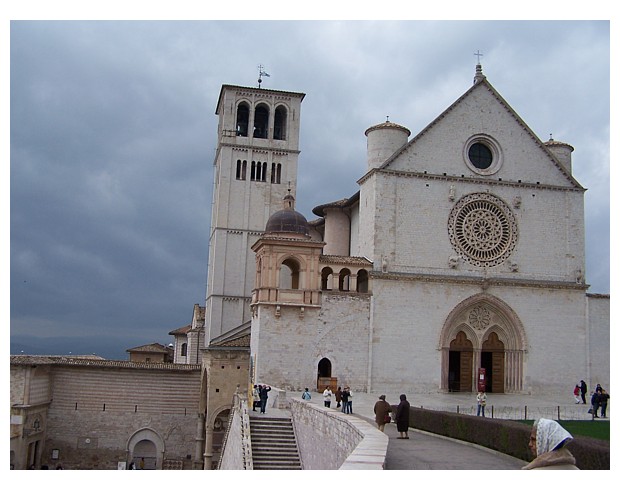
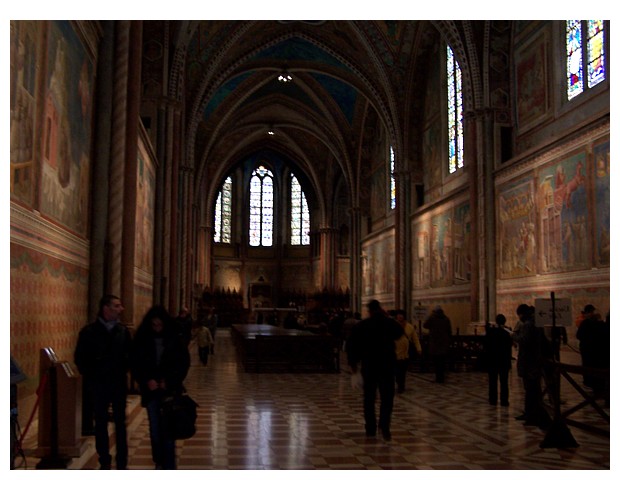
असिज़ि, इटलीः असिज़ि के संत फ्राँसिस मुझे ईसाई धर्म में सबसे अच्छे लगते हैं. उनका पशुओं, सभी जीव जंतुओं के प्रति प्रेम, उनका कहना कि भगवान का भक्त होने का अर्थ है कि गरीबी में गरीबों के साथ रहें जैसी बातें मुझे भाती हैं. उनकी एक प्रार्थना मुझे बहुत प्रिय हैः
"हे प्रभु, मुझे तुम अपनी शाँती का माध्यम बना लो, जहाँ नफ़रत हो वहाँ प्रेम ला सकूँ, जहाँ दुख पहुँचा हो वहाँ क्षमा ला सकूँ, जहाँ शँका हो वहाँ विश्वास ला सकूँ, जहाँ निराशा हो वहाँ आशा ला सकूँ, जहाँ अँधेरा हो वहाँ रोशनी ला सकूँ, जहाँ उदासी हो वहाँ आनंद ला सकूँ, ..."
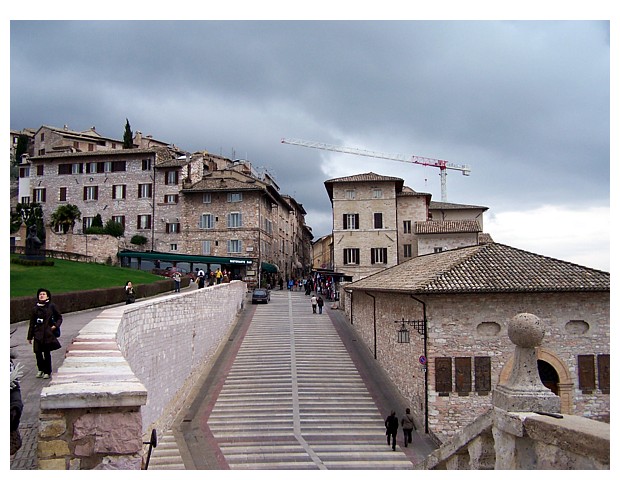
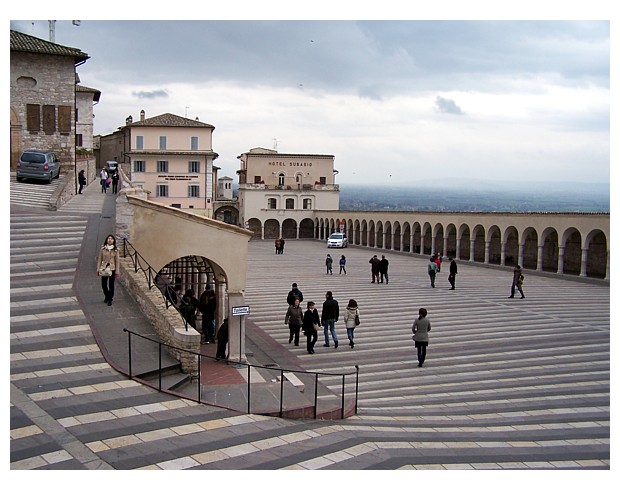
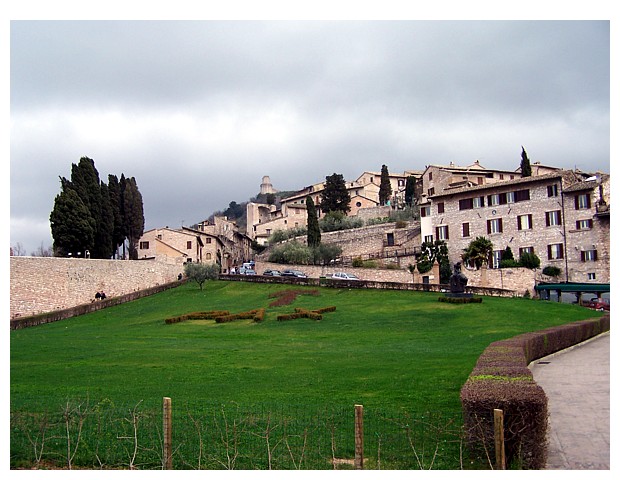
मेरे विचार में इस प्रार्थना में वही विचार है जो महात्मा बुद्ध की प्रार्थना "तमसो मा ज्योतिर्गमय" में हैं. कुछ दिन पहले असिज़ि शहर गया था, वहाँ पर संत फ्राँसिस के गिरजाघर के आसपास की कुछ तस्वीरें प्रस्तुत हैं.

Assisi, Italy: Among all the Catholic saints, I like St Francis most. I like his love for all creatures, his choice of living as poor with the poor. One of his prayers is my favourite: "Lord, make me an instrument of Thy peace; where there is hatred, let me sow love; where there is injury, pardon; where there is doubt, faith; where there is despair, hope; where there is darkness, light; and where there is sadness, joy ..." In many ways St Francis reminds me of the figure of Gautam Buddha and this prayer reminds of Buddhist prayer, "From darkness take me to light", that was loved by Mahatma Gandhi. Here are some pictures of Assisi around the church of Sr Francis.

Assisi, Italia: Tra tutti i santi cattolici, il mio favorito è San Francesco. Mi piace il suo amore per tutte le creature, tutti gli esseri e la sua scelta della povertà. Una delle preghiere è la mia favorita: "Fà di me uno strumento della tua pace. Dove c’è odio, io porti amore. Dove c’è discordia, io porti l’unione. Dove c’è errore, io porti la verità. Dove c’è dubbio, io porti la fede. Dove c’è disperazione, io porti la speranza ..." Per molti versi, la figura di san Francesco mi ricorda la figura di Gautam Buddha e questa preghiera mi fa pensare alla preghiera buddhista, "Portami dalle tenebre alla luce", che amava Mahatma Gandhi. Oggi presento qualche foto di Assisi intorno alla Basilica del Santo.


Tuesday, 18 March 2008

Followers of the saint - Seguaci del santo - सूफ़ी संत के भक्त

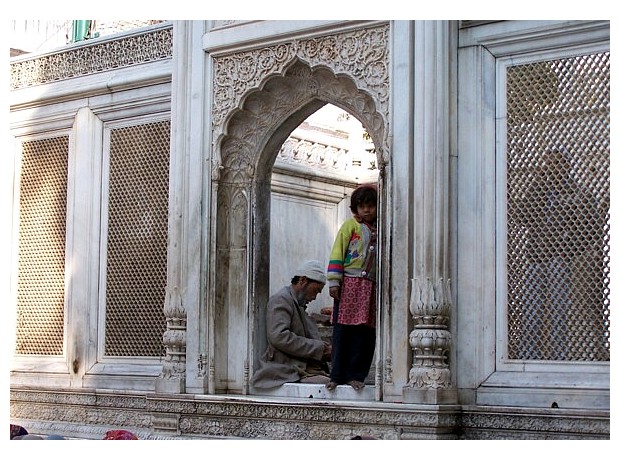
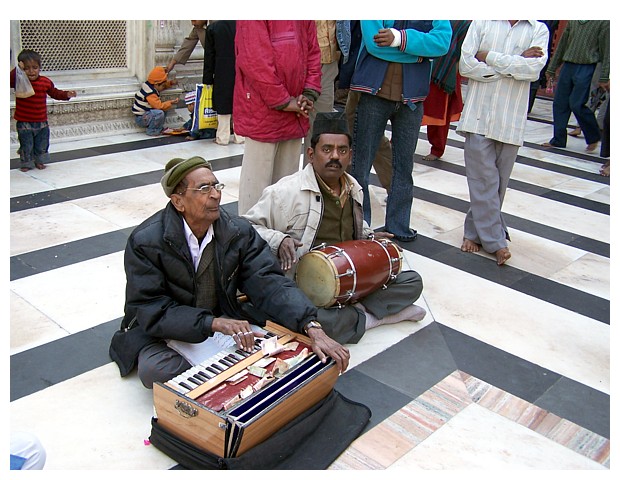
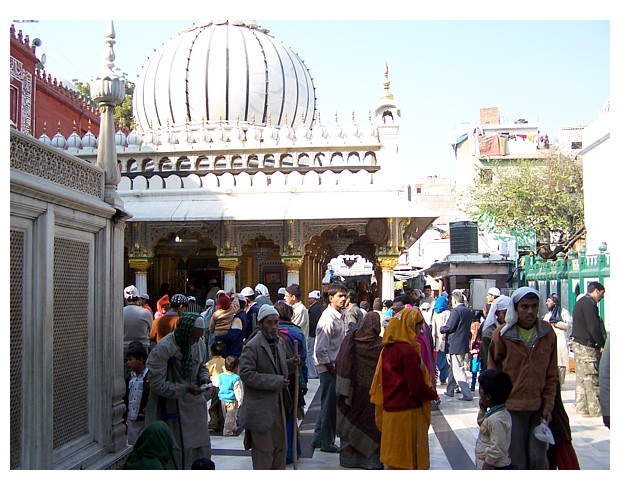
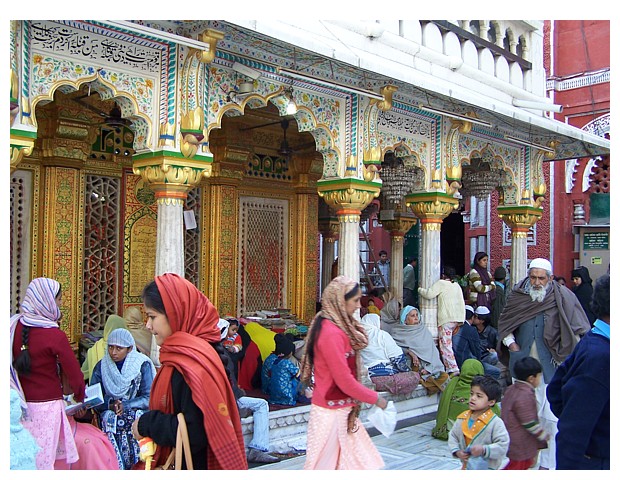
दिल्ली, भारतः हजरत निज़ामुद्दीन औलिया एक सूफ़ी संत थे.
खुशवंत सिंह अपनी किताब "दिल्ली" में उनके बारे में लिखते हैं कि उन्हें दिल्ली के सुल्तान बलबन, जिनकी कब्र महरौली में कुतुब मीनार के पास है, के दरबार में बुलाया गया और सुल्तान बोले, "दरवेश, उलेमा की शिकायत है कि तुम मुसलमानों और काफ़िरों में भेद नहीं करते और तुम इंसान और अल्ला के बीच माध्यम बनते हो॥ तुम इस तरह की बातों करते हो जिनसे इंसान और इंसान को बनाने वाले के बीच का अंतर ही न रहे. तुम्हारे भक्त मसजिद के आंगन में संगीत और नृत्य करते हैं और इस तरह शरीयत के पवित्र कानून के विरुद्ध जाते हैं. तुम्हें अपने बचाव में क्या कहना है?"
निजामुद्दीन ने अपने उत्तर में कहा कि उनके लिए हिंदू और मुसलमानों में कोई अंतर नहीं, उनके लिए सभी इंसान भगवान के बच्चे हैं. इसी लिए निजामुद्दीन की दरगाह पर मन्नत माँगने वालों से उनका धर्म नहीं पूछा जाता.

Delhi, India: Hazrat Nizamuddin Auliya was a sufi saint. Khushwant Singh in his book "Delhi" writes about his trial at the court of sultan Balban, "Darvish, the ulema have complained that you make no distinction between Musulmans and infidels; that you pose as an intermediary between the God and the man ...that your followers indulge in music and dancing in the precincts of the mosque and thus contravene the holy law of shariat ..." Nizamuddin answered that for him there is no difference between Hindus and Muslims and all are children of the God. Because of this noone asks you your religion when you go to visit the tomb of the saint.

Delhi, India: Hazrat Nizamuddin fu un santo sufi, il gruppo mistico dei musulmani. Khushwant Singh nel suo libro "Delhi" parla della causa contro il santo presso la corte del sultano Balban, "Darvisce, gli uomini di religione dicono che tu non fai nessuna differenza tra i musulmani e gli infedeli, dichiari di fare l'intermediario tra il Dio e l'uomo ... vicino alla tua moschea, i tuoi seguaci cantano e ballano, il che è vietato dalla legge di shariat ...". Nizamuddin aveva risposto che per lui non vi erano differenze tra gli indù e i musulmani e che tutti sono figli di Dio. E' per questo che ancora oggi nessuno chiede l'appartenenza religiosa alle persone che vanno a visitare la tomba del santo.


Monday, 17 March 2008

An evening - Una sera - एक शाम

फ्लोरेंस, इटलीः भव्य शहर है फ्लोरेंस जिसे इटली के लोग फिरेंत्ज़े कहते हैं. मध्ययुगीन भवनों, मूर्तियों, कवियों और कलाकारों का शहर, शाम की रोशनियाँ के जलने से और भी सुंदर लगता है. फ्लोरेंस की नदी का नाम है आर्नो, जिसपर बने सबसे पुराने पुल को कहते हैं "पोंते वेक्कियो" यानी, "पुराना पुल". आज जो पुल दिखता है वह सन 1345 में बनाया गया था जब बाढ़ में इससे पहले का पुल नष्ट हो गया था. पुल के दोनो ओर दुकाने हैं जिनमें अधिकतर सोने, चाँदी के गहनों का काम होता है.

Florence, Italy: Florence is a magnificent city. Italians call it Firenze. I think of it as the city of medieval houses, statues, poets and artists. In the evening lights, the city looks even more beautiful. Arno is the river of Florence and the oldest bridge on Arno is called Ponte Vecchio (literally "old bridge") The present bridge was built in 1345. There are shops on the two sides of the bridge, most of them selling gold and jewellary.

Firenze, Italia: il fiume Arno, il ponte vecchio e la piazza dei signori alla sera.


Sunday, 16 March 2008

Street artist - Artisti di strada - सड़क के चित्रकार

फ्लोरेंस, इटलीः कल मेरी फ्लोरेंस में मीटिंग थी. मीटिंग में जाते समय रास्ते में केथेड्रल के पास बहुत सारे चित्रकार और चेहरा बनाने वाले बैठे थे, बहुत से पर्यटक उनसे अपने चित्र या कार्टून आदि बनवा रहे थे. एक तस्वीर बनवाने के 20 यूरो और पंद्रह मिनट का समय. एक बार मुझे भी अपनी तस्वीर बनवाना अच्छा लगेगा, जब जल्दी में न हूँ. अपना कार्टून बनवाना अच्छा लगेगा.

Florence, Italy: Yesterday I had a meeting in Florence. On my way, I saw lot of artists, cartoon makers, portrait makers near the cathedral. Many tourists were sitting for those artists to get their portraits and cartoons. It requires fifteen minutes and 20 Euro. Once, when I am not in a hurry, even I would like to get a portrait done, perhaps a cartoon.

Firenze, Italia: Ieri avevo una riunione a Firenze. Era bello vedere gli artisti vicino alla cattedrale e tanti turisti che facevano fare i propri ritratti e vignette satiriche. Richiede soltanto 15 minuti e 20 euro. Una volta quando non ho fretta, anche a me piacerebbe farmi fare un ritratto o magari una vignetta satirica.


Saturday, 15 March 2008

Narrow streets - Stradine strette - तंग गलियाँ

दिल्ली, भारतः पुरानी दिल्ली की विशेषता है कि भीड़ और धक्का मुक्की वाली तंग गलियों में बने कई पुराने मकानों के द्वार पार करते ही खुले आंगन और खुली जगह में ले जाते हैं. नयी दिल्ली की खुली सड़कों पर बने मकानों के अंदर खुलापन नहीं तंगी दिखती है.
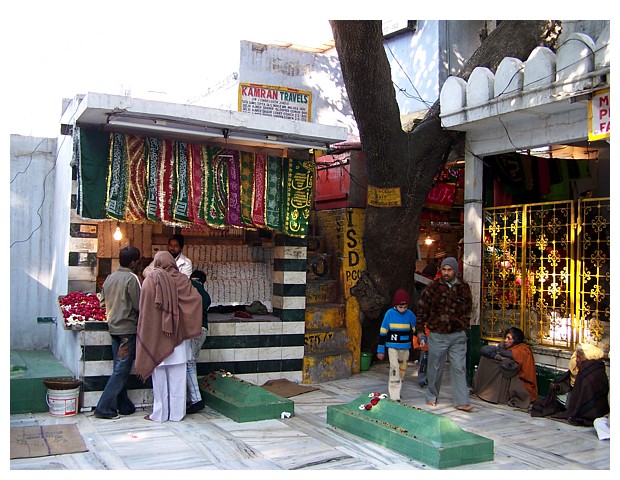
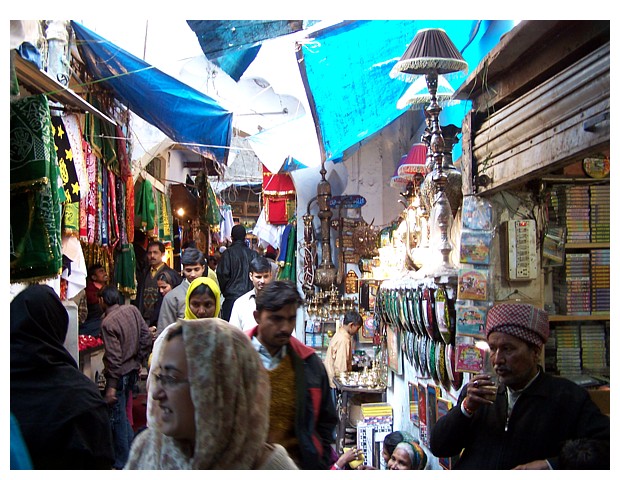
जब लोधी रोड से निज़ामुद्दीन की दरगाह देखने मुड़ा तो सामने चांदनी चौक जैसी तंग गलियों को देख कर बहुत हैरानी हुई. जैसे जैसे दरगाह की ओर बढ़ा, दुकाने, और भीड़ की धक्का मुक्की बिल्कुल चाँदनी चौक के आसपास की तंग गलियों की याद दिला रही थी. लोग दरगाह पर चढ़ाने के लिए गोटे वाली लाल और हरी चुन्नियाँ ले जाते हैं और फ़ूल चढ़ाते हैं इसलिए इस सब की दुकाने बहुत हैं. जाना माना करीम रेस्टोरेंट तो है ही पर अन्य बहुत से ढाबे होटल भी हैं. बस दरगाह पर आ कर ही कब्रें शुरु हो जाती हैं और तंग गलियाँ खुली जगह में बदल जाती हैं.

Delhi, India: In old Delhi, the narrow and crowded streets have some old houses that lead to open spaces and gardens. In New Delhi, the roads are wide and houses look new but inside they lack those open spaces. While going from Lodhi Road towards the tomb of Nizamuddin, I was surprised to find the narrow streets of old Delhi. People offer flowers, red and green shawls bordered with gold coloured lace on the tomb of the saint and thus there are many shops selling those. There is well known Karim restaurant but also lot of simpler dhabas and eating joints. Only when you reach the dargah and the tombs start that the narrow streets give way to an open space.

Delhi, India: In vecchia Delhi spesso le case sulle stradine strette e affollate hanno enormi spazi aperti e giardini. Invece in nuova Delhi, le strade sono belle e larghe ma dentro le case non vi sono spazi aperti. Mentre andavo da Lodhi Road verso la tomba di Nizamuddin, improvvisamente mi sono trovato in stradine strette e affollate che mi ricordavano di vecchia Delhi. Sulla tomba del santo si offrono fiori e scialli rossi e verdi bordati di una stoffa dorata, per cui vi erano diversi negozi che vendevano questi prodotti. C'è il famoso ristorante Karim in una stradina, ma vi sono molti altri ristoranti più semplici intorno al santuario. Soltanto quando arrivi al santuario, dove iniziano le tombe, che le stradine strette si aprono in uno spiazzo.


Friday, 14 March 2008

Saint's tomb - Tomba del santo - ख्वाज़ा की दरगाह

दिल्ली, भारतः दिल्ली के सूफ़ी पीर निज़ामुद्दीन का नाम तो बहुत सुना था, कई बार निज़ामुद्दीन रेलवे स्टेशन भी गया था पर उनकी दरगाह कहाँ है यह नहीं मालूम था. इस बार दिल्ली गया तो दरगाह को भी देखने गया.

1238 में बदायूँ में पैदा हुए निज़ामुद्दीन दिल्ली वकील बनने आये थे पर फ़िर आज के पाकिस्तान में अजोधन नाम की जगह पर रहने वाले चिश्ती संत फरीद्दुदीन के चेले बने और दिल्ली वापस आ कर शहर के बाहर घियासपुर नाम के गाँव में रहने लगे.

आज का शहर से घिया निज़ामुद्दीन का इलाका देख कर ख्वाजा जी के समय की दिल्ली का अंदाज़ लगाना कठिन है. उस समय की दिल्ली कैसी थी? दिल्ली का केंद्र था महरौली जहाँ पर तब कुतुब मीनार नहीं बनी थी और उस जगह पर शायद वह 27 हिंदू और जैन मंदिर थे जिनके बारे में खुशवंत सिंह ने अपने उपन्यास "दिल्ली" में लिखा है. तब न पुराना किला था, न तुगलकाबाद, न चाँदनी चौक और न लाल किला, सब तरफ़ शायद गाँव ही थे. निज़ामुद्दीन जी 88 वर्ष तक जिये और 3 अप्रैल 1325 को उनका देहाँत हुआ. उनके सामने ही 1310 में कुतुब मीनार बनी, उनके सामने 1320 में अलाउद्दीन खिलजी गये और मुहम्मद बिन तुगलक आये जिन्होंने तुगलकाबाद में अपनी नयी दिल्ली बनायी.

दरगाह में क्रब वाले कमरे में स्त्रियों का घुसना मना है और औरतें उस कमरे के बाहर जाली से अंदर देख सकती हैं.

Delhi, India: I had heard about the tomb sufi saint Nizamuddin but I had never been there before. Born in 1238, he wanted to be a lawyer but instead became a desciple of sufi sait of chishti tradition, Faridduddin and settled in Ghiyaspur. Looking at the area today it is difficult to imagine the Delhi of his times. The centre of Delhi in those days was Mehrauli, where the famous Qutab Minaar was still not there and in its place were probably the 27 Hindu and Jain temples described in Khushwant Singh's novel, "Delhi". There was no old fort, Tughlakabad, Chandni Chowk or Red Fort. In his lifetime, Qutab Minaar was built and Tughlak came into power. Women are not allowed inside the room of the tomb and they sit outside, looking in through the marble screen.

Delhi, India: Avevo sentito parlare della tomba di Nizamuddin, santo della tradizione sufi di Delhi, ma non l'avevo mai vista. Nato nel 1238, lui voleva diventare un avvocato, invece diventò il discepolo di Faridduddin, un altro monaco sufi famoso di quell'epoca. Si stabilì al villaggio di Ghiyaspur, fuori della città di Delhi. Se guardiamo la zona oggi, è difficile immaginare quella zona ai suoi tempi. Allora il centro di Delhi era a Mehrauli, dove non avevano ancora costruito il Qutab Minaar e forse al suo posto vi erano i 27 templi indù e gainisti descritti da Khushwant Singh nel suo libro, "Delhi". Non avevano ancora costruito il vecchio forte, non c'era Tughlakabad, ne Chandni Chowk o il forte rosso. Durante la sua vita fu costruito il Qutab Minaar e la dinastia dei Tughlak prese il potere di Delhi nel 1320, mentre il santo morì nel 1325. Le donne non possono entrare nella sala della tomba e stanno fuori intorno alle pareti di marmo intagliato per guardarci dentro.


Thursday, 13 March 2008

Old Forte - Forte vecchio - पुराना किला

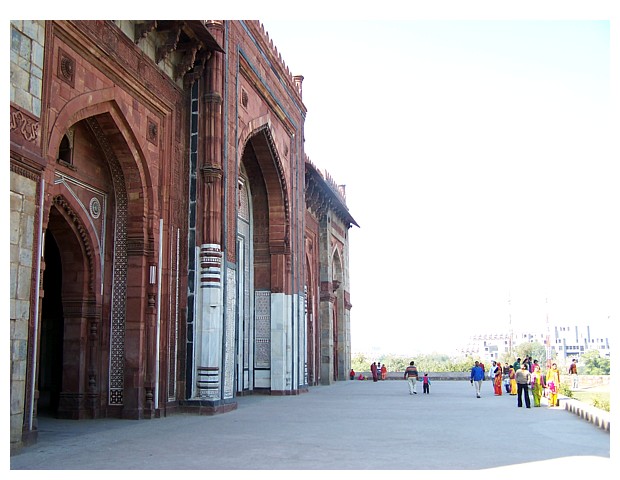
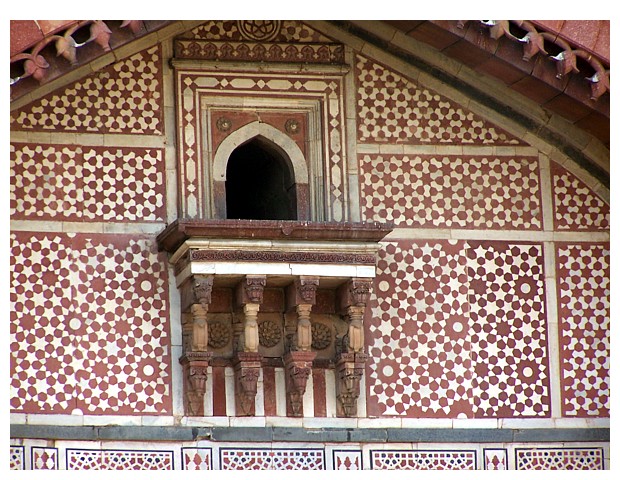
दिल्ली, भारतः दिल्ली का पुराना किला वैसे बहुत अधिक पुराना नहीं. मुगल बादशाह हमायू को हरा कर इसे बनवाया था शेरशाह सूरी ने सन 1540 में. 1545 में शेरशाह की मृत्यु के बाद हमायू ने दोबारा दिल्ली पर कब्ज़ा कर लिया और इस किले में रहने आये, और इसी किले में सीड़ियों से गिर कर उनकी मृत्यु हुई. तबसे इस किले को मनहूस माना जाने लगा और मुगलों ने इसे छोड़ कर नया किला बनाने की सोची और इस तरह लाल किला बनवाने का निर्णय लिया. किले का कुछ भाग ऊँची पहाड़ी पर बना है, और इसका अधिकतर भाग खँडहर है. एक मसजिद अच्छी हालत में है उसकी दो तस्वीरें प्रस्तुत हैं. किले के निचले भाग में दिल्ली का चिड़ियाघर है.
कहते हैं कि पुराने किले वाली जगह पर महाभारत वाला हस्तिनापुर था पर किले में घूमते हुए कोई पुरात्तव विभाग द्वारा की जा रही खुदाई आदि के चिन्ह नहीं दिखे. पुराने किले के क्षेत्र में हस्तिनापुर था, इस बात को सुने हुए भी चालिस साल हो गये. अगर सचमुच यहाँ हस्तिनापुर था तो पुरात्तव विभाग को यहाँ पुरानी संस्कृति के अवशेष खोजने चाहिये. और अगर खुदाई हुई है तो उसमें क्या मिलना, क्या कोई इसके बारे में जानता है?

Delhi, India: The old fort in Delhi is not really very old. It was built by Sher Shah Suri in 1540 after defeating the Mughal king Hamayun. After death of Sher Shah in 1545, Hamayun again came back as king and lived in this fort, where he died after falling from stairs. Thus, the fort gained the reputation of being unlucky and was abondoned by Mughal, who decided to built a new fort. Most of the old fort is in ruins. Part of it is on a hillock, where the mosque built by Sher Shah is still in good condition (shown in the two pictures below). Lower part of old fort hosts the Delhi zoo. It is said that Hastinapur, the old city mentioned in ancient Indian poem of Mahabharat was located here.


Delhi, India: Il vecchio forte di Delhi non è molto vecchio. E' stato costruito nel 1540 da Sher Shah Suri dopo la sua vittoria sul re mughal, Hamayun. Sher Shah morì nel 1545 e Delhi fu occupata di nuovo da Hamayun, il quale abitò nel forte prima di morire, dopo essersi scivolate sulle scale. Il forte così guadagnò la reputazione di portare sfortuna e fu abbandonato. La maggior parte del forte è in rovine. Una parte del forte si trova su una collinetta e qui è ben conservata una moschea (nelle due foto sottto). La parte inferiore del forte oggi ospita lo zoo di Delhi. Si dice che Hastinapur, l'antica città dei Pandava descritta nel poema epico Mahabharat è nascosta sotto il forte.


Wednesday, 12 March 2008

Vazir's tomb - Tomba del nobile - वज़ीर का मकबरा

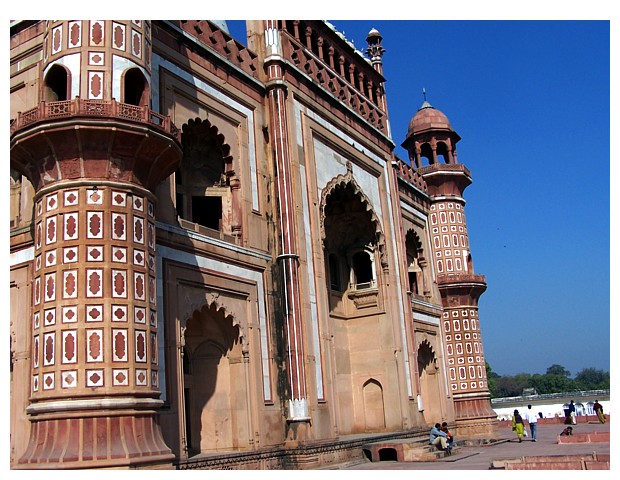
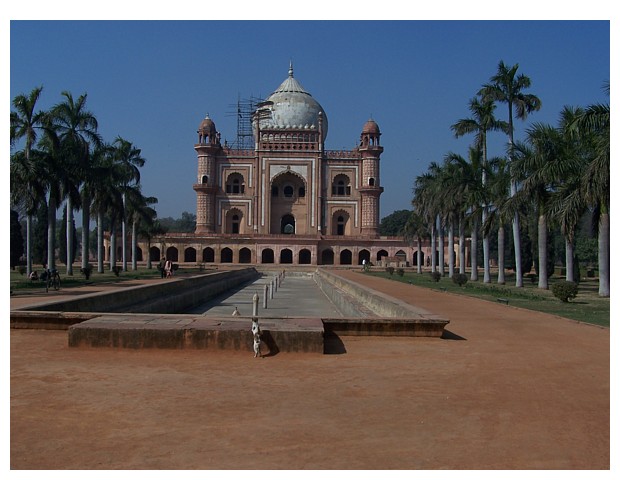
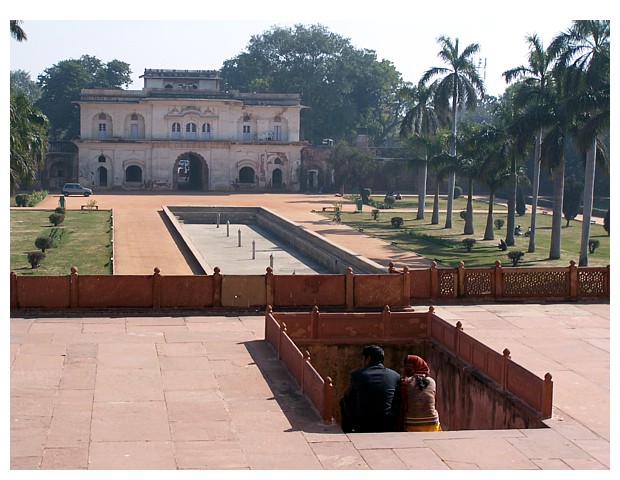
दिल्ली, भारतः दिल्ली में पुराने स्मारकों की कमी नहीं, बहुत से स्मारक बहुत कम पर्यटक देखने जाते हैं जैसे कि नई दिल्ली में लोधी बाग के पास बना सफदरजंग का मकबरा जो दिल्ली में मुगल वास्तुकला का अंतिम नमूना माना जाता है.
सफदरजंग यानि अब्दुल मंसूर खान 1719 से 1748 तक अवध के सूबेदार थे और फ़िर, 1748 से 1754 में मृत्यु तक मुगल बादशाह अहमदशाह के वज़ीर. यह मकबरा उनके पुत्र नवाब शिराजुद्दौला ने बनवाया था. चाहे सफदरजंग जी केवल वज़ीर थे पर उनका मकबरा बादशाह हमायू के मकबरे और शाहजहान द्वारा अपनी पत्नी मुमताज़महल के मकबरे, ताज महल, से कुछ कुछ मिलता जुलता है. इसी मकबरे के नाम से साथ में बना हवाई अड्डा सफदर हवाई अड्डा है जहाँ लोग पायलट बनना सीखते हैं और जहाँ से सँजय गाँधी विमान चलाना सीखने जाते थे और जहाँ उनकी विमान दुर्घटना में मृत्यु हुई.
करीब ही दिल्ली के बड़े अस्पतालों में से एक, सफदरजंग अस्पताल भी है, जहाँ कुछ वर्ष मैंने भी काम किया है और इस मकबरे के सामने से हर दिन गुज़रता था.

Delhi, India: Old monuments abound in Delhi. Some of them are ignored by most tourists like the tomb of Safdarjung supposed be last example of Mughal architecture in Delhi. Safdarjung or Abdel Mansur Khan was governor of Avadh from 1719 to 1748 and then vazir of Mughal king Ahmad Shah from 1748 till his death in 1754. This tomb resembles the architecture of better known Taj Mahal in Agra and tomb of Hamyun in Delhi. Next door is Safdarjung airport, used now for pilot training, where Sanjay Gandhi also used to learn to be a pilot when his plane had crashed, killing him. Close by is also Safdarjung hospital, where I also worked for a few years and used to pass in front of this monument every day.
Delhi, India: Antichi monumenti non mancano a Delhi. Alcuni di essi sono ignorati dai turisti come questa tomba di Safdarjung, definito l'ultimo esempio dell'arte mughal a Delhi. Sig. Safdarjung (Abdel Mansur Khan) era governatore di Avadh dal 1719 al 1748 e poi, primo ministro del re mughal Ahmadshah fino alla sua morte nel 1754. L'architettura della tomba somiglia le più famose tombe - Tajmahal a Agra e tomba di Hamayun a Delhi. Qui vicino c'è il vecchio aeroporto Safdarjung che oggi si usa per la formazione dei piloti e dove Sanjay Gandhi imparava a volare fino alla sua morte in un incidente. Vicino c'è anche l'ospedale di Safdarjung, uno dei più grandi di Delhi, dove ho lavorato per alcuni anni e passavo davanti a questa tomba tutti i giorni.


Tuesday, 11 March 2008

Crowd - Folla - भीड़

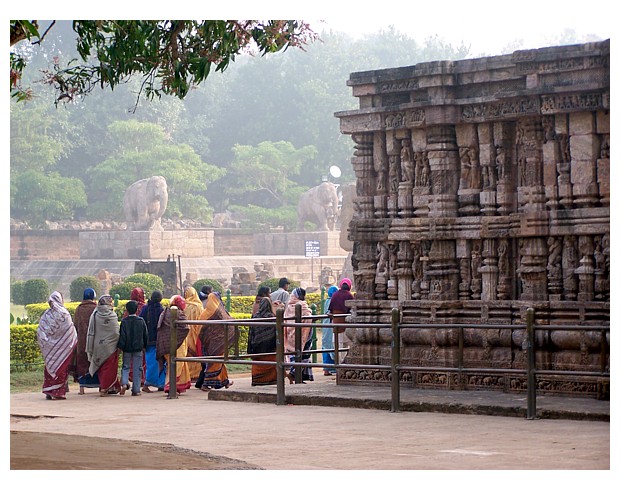
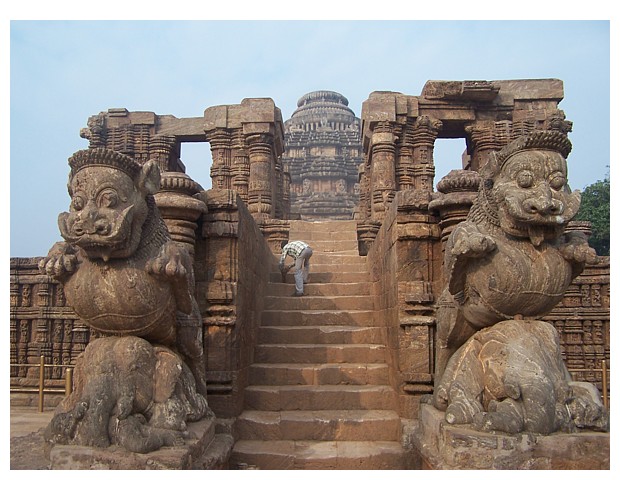
उड़ीसा के कोणार्क मंदिर में पर्यटकों की भीड़. भारत में कहीं भी चले जाईये, भीड़ से बचना आसान नहीं. मेरे कुछ विदेशी मित्र भीड़ से अक्सर घबरा जा जाते हैं, और एक बार एक मित्र मुझसे बोले, भारत में ऐसी जगह है कोई जहाँ लोग न हों?
जबकि यहाँ विदेश में कई बार लोग दिखते ही नहीं. पिछले वर्ष भाभी और भैया आये थे. रेल से वेनिस गये तो कितने शहर गुजरे पर सड़कों पर लोग नहीं दिखते केवल थोड़ी बहुत कारें दिखतीं, फ़िर अचानक एक आदमी दिखा तो भाभी बोलीं, "देखो एक आदमी भी है!"
मुझे भारत की भीड़ें बहुत अच्छी लगती हैं, न जानते हुए भी अपनेपन की गर्मी महसूस होती है.

Crowds of tourists in the Konark temple in Orissa (India). In India where ever you may go, it is not easy to avoid crowds. Some of my non-Indian friends get tired of crowds and ask if there is some place where there are no crowds?
Here in Europe, sometimes it is not easy to see persons. Last year my Bhaiya & Bhabhi had come from India. We took a train to go to Venice. On the way we passed some cities, where you could see an occasional car but no persons and when she finally saw a man, Bhabhi cried, "Look there is a man also!"
I love the crowds in India. Even if strangers, they give me a feeling of being surrounded by warmth.

Folle di turisti nel tempio di Konark in Orissa (India). In India, ovunque vai trovi folle di persone. Alcuni amici stranieri si stancano delle folle e chiedono se esistono dei posti dove non vi sia altra gente?
Qui in Europa, delle volte non è facile trovare persone. L'anno scorso, avevo il mio cugino e la sua moglie, il bhaiyya e bhabhi. Abbiamo preso il treno per andare a Venezia. Mentre il treno passava alcune piccole città si vedeva qualche macchina ma nessuno sulle strade e finalmente quando ha visto un uomo, Bhabhi ha gridato "C'è anche un uomo!"
Comunque, mi piacciono le folle in India. Anche se sono sconosciuti mi danno la sensazione di essere circondato dal calore.


Monday, 10 March 2008

Human form - Forma umana - मानव आकृति

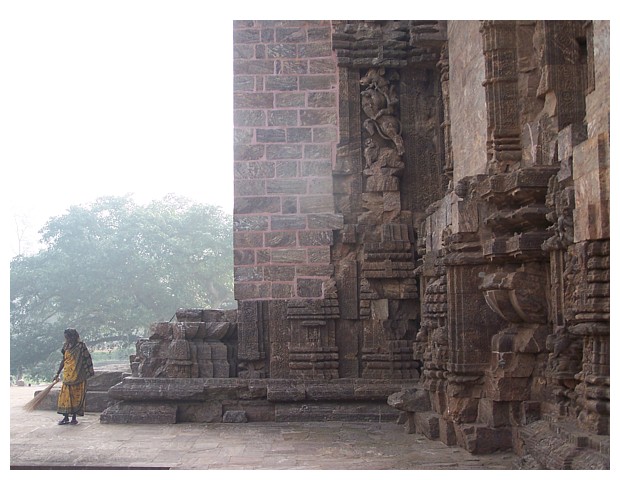
कोणार्क, भारतः चाहे कितनी भी सुंदर जगह क्यों न हो, जब तक तस्वीर में कोई मानव आकृति न हो, मुझे तस्वीर अधूरी सी लगती है. आज की इन दो तस्वीरों में वह मानव आकृति सफाई कर्मचारियों से मिली है.

Konark, India: Even at the most beautiful places, a picture without a human form in it gives me the feeling of being incomplete. The two pictures of today find the human form in the cleaning workers.

Konark, India: Anche in il più bello dei posti, una foto senza figure umane mi da l'idea di essere incompleta. Le due foto di oggi hanno trovato la figura umana negli operatori di pulizia.


Sunday, 9 March 2008

Assamese Sari - Sari dell'Assam - असमिया साड़ी

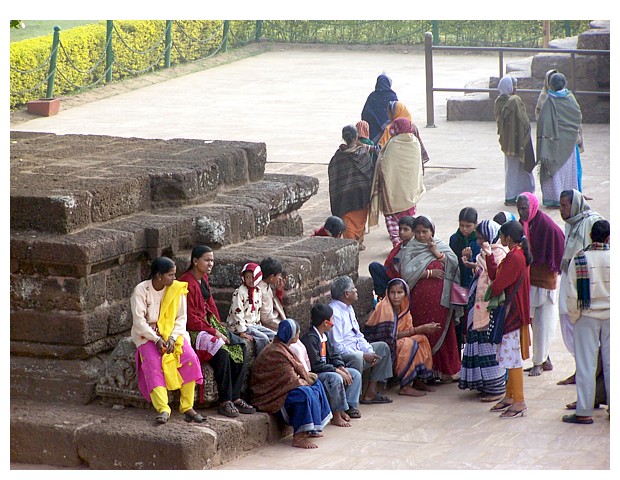
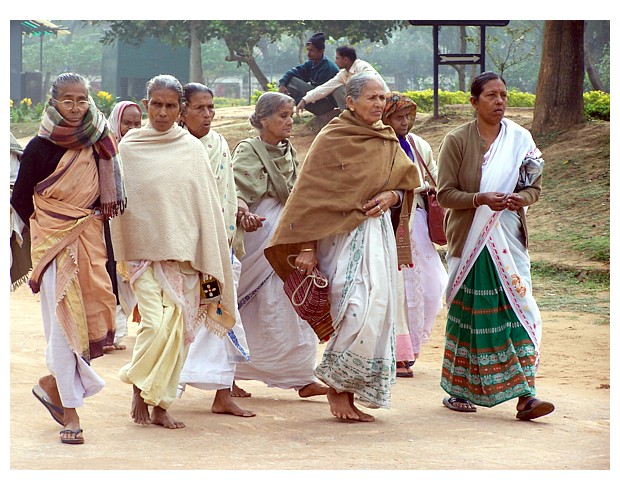
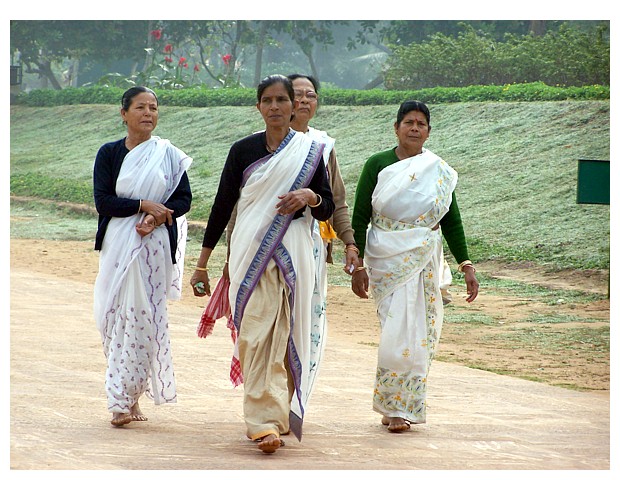
भारत के हर प्रदेश में औरतें साड़ियाँ पहनती हैं पर उनका पहनने का तरीका भिन्न होता है. कोणार्क में जब इन नारी दलों को देखा तो इतना तो स्पष्ट था कि यह लोग अवश्य ही उत्तरपूर्व के राज्य से हैं पर वह आसाम है या त्रिपुरा या मणिपुर या और कोई, यह तो वही बता सकता है जिसे इस क्षेत्र का कुछ ज्ञान या अनुभव है.

Sari is worn all over India, but in different ways. Most of the time, by looking at the way a woman is wearing sari, you can tell her state of origin. When I saw this group of women at Konark, I was sure that they are from a north-eastern state like Assam, Tripura or Manipur, but I am not sure about the exact state.

Sari viene portata da donne in tutta l'India, ma ogni parte del paese ha un modo diverso di portarla. Più delle volte guardando il modo di portare il sari, si può dire la sua zona di provenienza in India. Quando ho visto questo gruppo di donne di Knoark, ero sicuro che sono del nord est del paese ma non so dire con certezza se sono da Assam o da Tripura o da Manipur o qualche altra zona più specifica.


Related Posts Plugin for WordPress, Blogger...

Followers